
What's Actually in Chai? A Guide to the Spices (and the Tea)
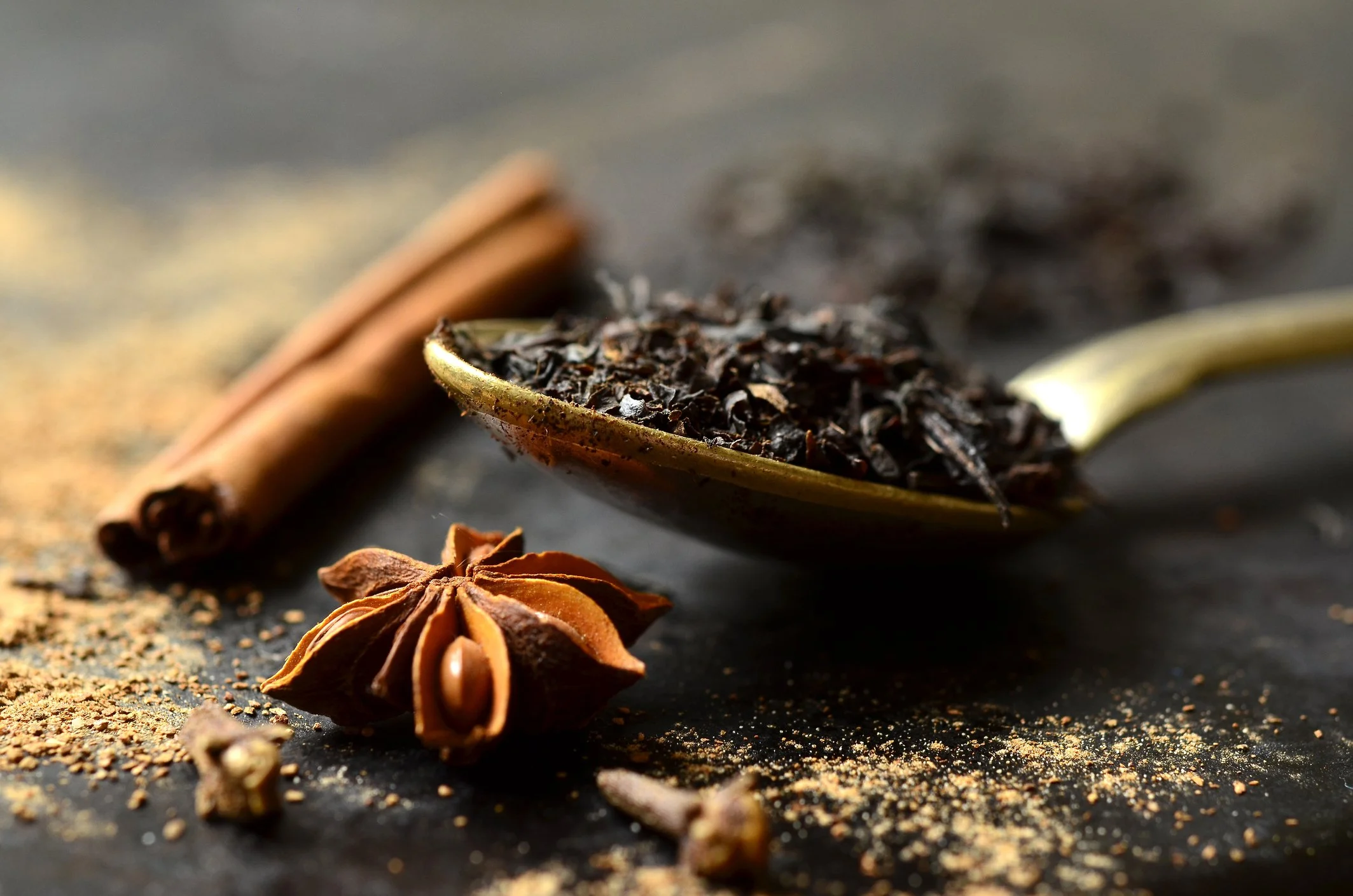
Image credit: Lilechka75 | Getty Images
September 21 is National Chai Day — a good excuse to look a little closer at a drink most of us have had but few of us have taken apart. What actually goes into a cup of chai? And why does a homemade one taste so different from the syrupy version at a coffee counter?
Here's a plain guide to what's in the cup, so you can order it, make it, and taste it with a bit more appreciation for what makes a good cup of chai.
First, a small note on the name
In many languages, "chai" simply means "tea." So "chai tea" technically means "tea tea." The drink most people picture when they say chai is masala chai, meaning "spiced tea" — a tradition from the Indian subcontinent made by brewing black tea with milk, a sweetener, and a mix of spices. However, there are many different chai traditions (and words for chai) across the world.
The spices in a masala chai
There's no single official recipe. Every family and shop has its own blend, but a handful of spices show up again and again. Each one plays a different role in the flavor:
Cardamom — the signature note in most chai: floral, a little citrusy, and unmistakable.
Cinnamon — sweet and woody, the rounding warmth in the background.
Ginger — bright and sharp; gives chai its gentle bite.
Cloves — deep and aromatic; a little goes a long way.
Black pepper — a quiet, peppery lift that keeps the blend from tasting flat.
From there, blends branch out. You'll also see star anise (licorice-like), fennel (sweet and cooling), nutmeg, and coriander. The balance is what gives each chai its personality — heavy on ginger for a sharper cup, heavy on cardamom and cinnamon for a rounder, sweeter one.
What is chai?
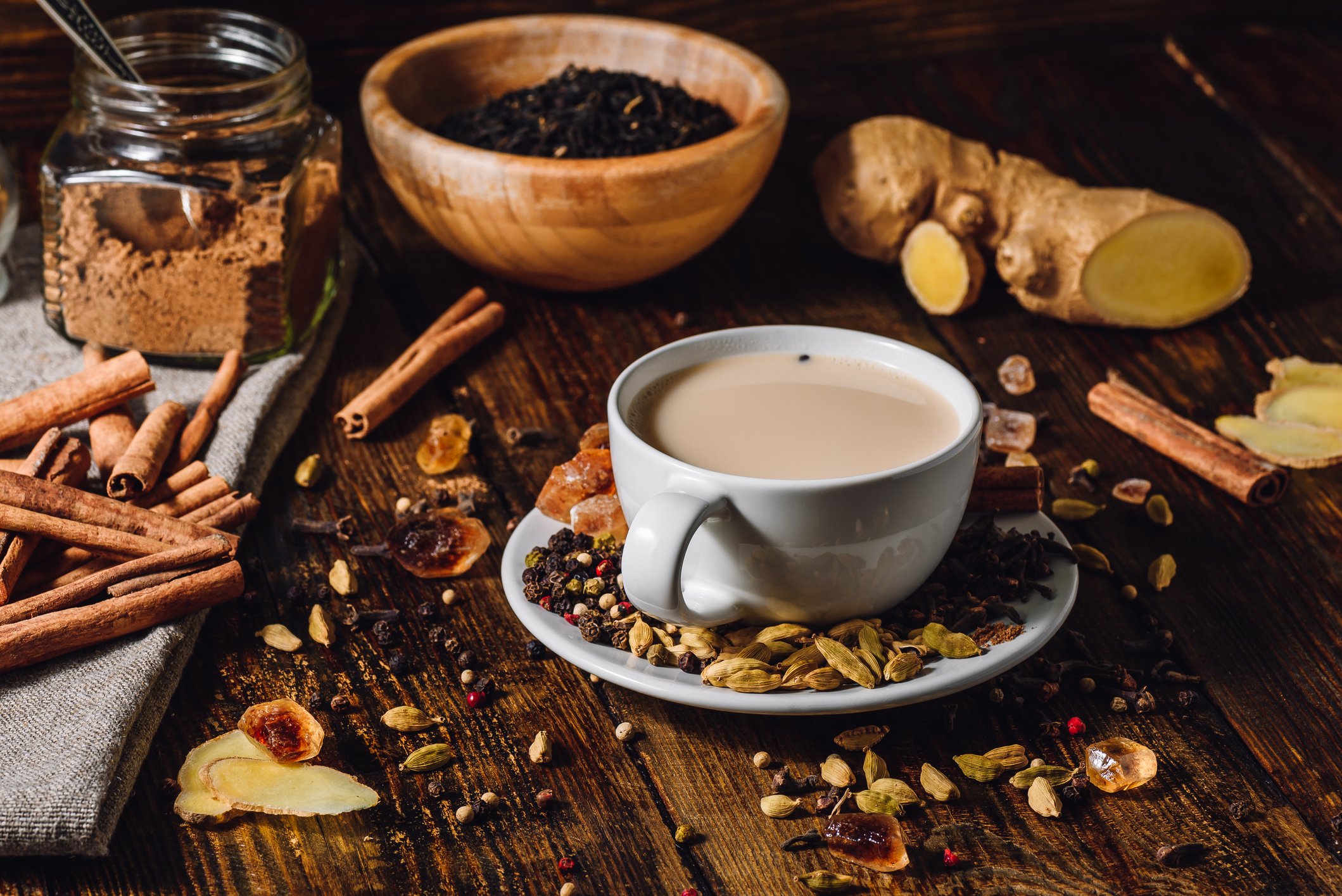
Image credit: Seva_blsv | Getty Images
While masala chai is the most well-known variant of chai in the West, there are many different styles of chai across cultures — many of which came well before masala chai. The specific ingredients used vary, but the basics are the same: strong black tea and spices all boiled together, with something fatty (milk or butter) added to round it out. Most chai is made sweet, but there are some versions (like the centuries-old “Noon Chai” of the Kashmir Valley) made with salt. If you’re interested in the different styles of chai around the world, I recommend this post from Better Chai.
Masala chai itself is quite new. It became popular in the mid-1900s in India as a way for the people to enjoy the lower quality Assam tea that was available domestically. This type of tea—called CTC tea (cut, tear, curl)—is made up of very small fragments of black tea leaves, which means the resulting cup is intensely strong and usually quite bitter. Adding sugar, milk, and spices made the tea much more appetizing for everyday drinking.
Today, the styles of chai are as diverse as the people enjoying them. And though chai is traditionally made with strong black CTC tea, versions using orthodox (whole-leaf) tea also exist. At the other end of the spectrum are the chai concentrates used commonly at cafes and restaurants. These save time, but tend to flatten the flavors of the tea and spices (and are usually very sugary).
A Nepali twist on chai
In Nepal, chai is called chiya. The name is different, but the idea is the same: strong black tea, spices, and milk. In Nepal, chiya can be made with either CTC or orthodox tea and the flavor profile tends to lean more heavily towards ginger and cardamom, with cinnamon, cloves, and pepper playing a supporting role. Chiya is also usually a bit less sweet than masala chai in India.
Our spiced black tea blend, Himalayan Chai, is made in Nepal using organic orthodox black tea and spices grown in the region. It’s a unique blend of black tea, ginger, black cardamom, cinnamon (using the leaf rather than bark), and black pepper that brews an aromatic cup with flavors reminiscent of gingerbread and apple pie. This tea can be enjoyed black (without sugar and milk) as a spiced alternative to a classic breakfast tea, or boiled with sugar and milk for a more traditional chiya cup.
How to make a cup at home
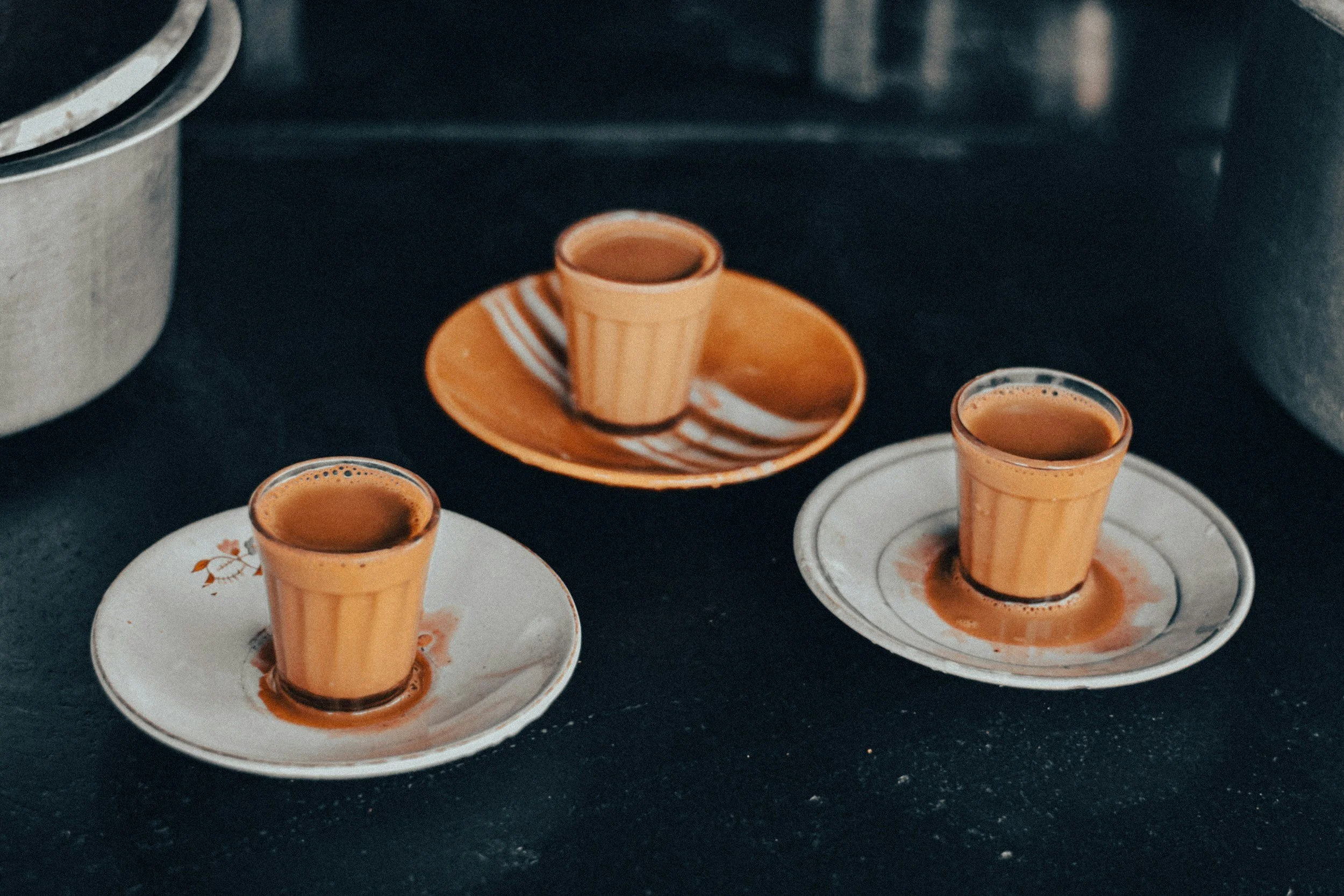
Image credit: Aman Gupta
There are two common ways to make chai:
The traditional stovetop method—ideally using fresh spices—gives you the fullest flavor.
Add the black tea leaves and whole or crushed spices to a saucepan and gently warm on medium heat for 3-4 minutes, or until very aromatic.
Add water to the pan (about a cup to a cup and a half per person you are serving) and bring to a boil on high heat.
Reduce heat to a simmer and stir for a few more minutes (the volume will reduce).
Add milk, sugar (if using), and continue to simmer for another 5 minutes (or boil for 2-3 minutes).
Strain into a cup or teapot and serve.
The simpler steep method works when you're short on time: steep a spiced chai blend in hot water like any black tea, using slightly less water than normal to make it a bit more concentrated, then add warm milk and sweetener to taste.
A few ways people make it their own:
Use oat or almond milk in place of dairy
Sweeten lightly or not at all
Brew it strong and pour it over ice for an iced chai.
Looking for general guidance on using loose leaf tea? Check out our post on how to brew loose leaf tea here.
Chai Recipe — a place to start
Want to try your hand at making chai with your own spices? Here’s a simple starting point, using the traditional stovetop method above. Experiment with different spice combinations to make it your own!
1 heaped tablespoon of CTC black Assam tea or about 6-10 grams of your favorite black tea
2-inch piece of fresh ginger, sliced
5 cardamom pods
2 star anise
6 cloves
1-2 cinnamon sticks
2 cups milk of your choice
2-3 cups of water
Honey, sugar or other sweetener to taste
Want the spice without the caffeine?
Because chai's caffeine comes from the black tea, a caffeine-free spiced blend — the same warming spices, without the tea base — is an easy choice in the evening or for anyone cutting back on caffeine. You get the flavor without the buzz, and no sweetener required to enjoy it.
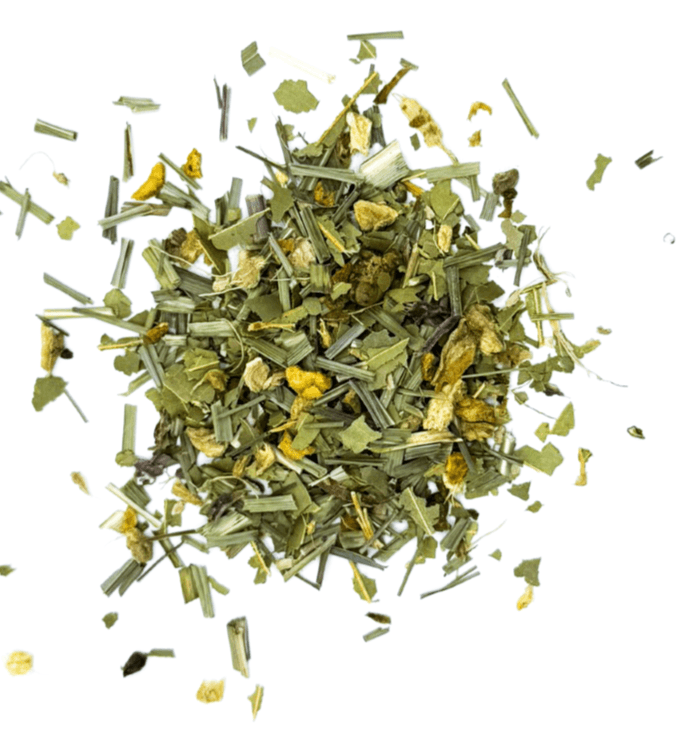
There are many options out there, including our Mile Square Spice. This blend, like our Himalayan Chai, comes directly from Nepal using all organic ingredients: cinnamon leaf, ginger, lemongrass, cardamom and orange peel. Lemongrass replaces black tea as the base, so this tea has a nice citrus profile with plenty of warming spice and a ginger kick.
Celebrate National Chai Day
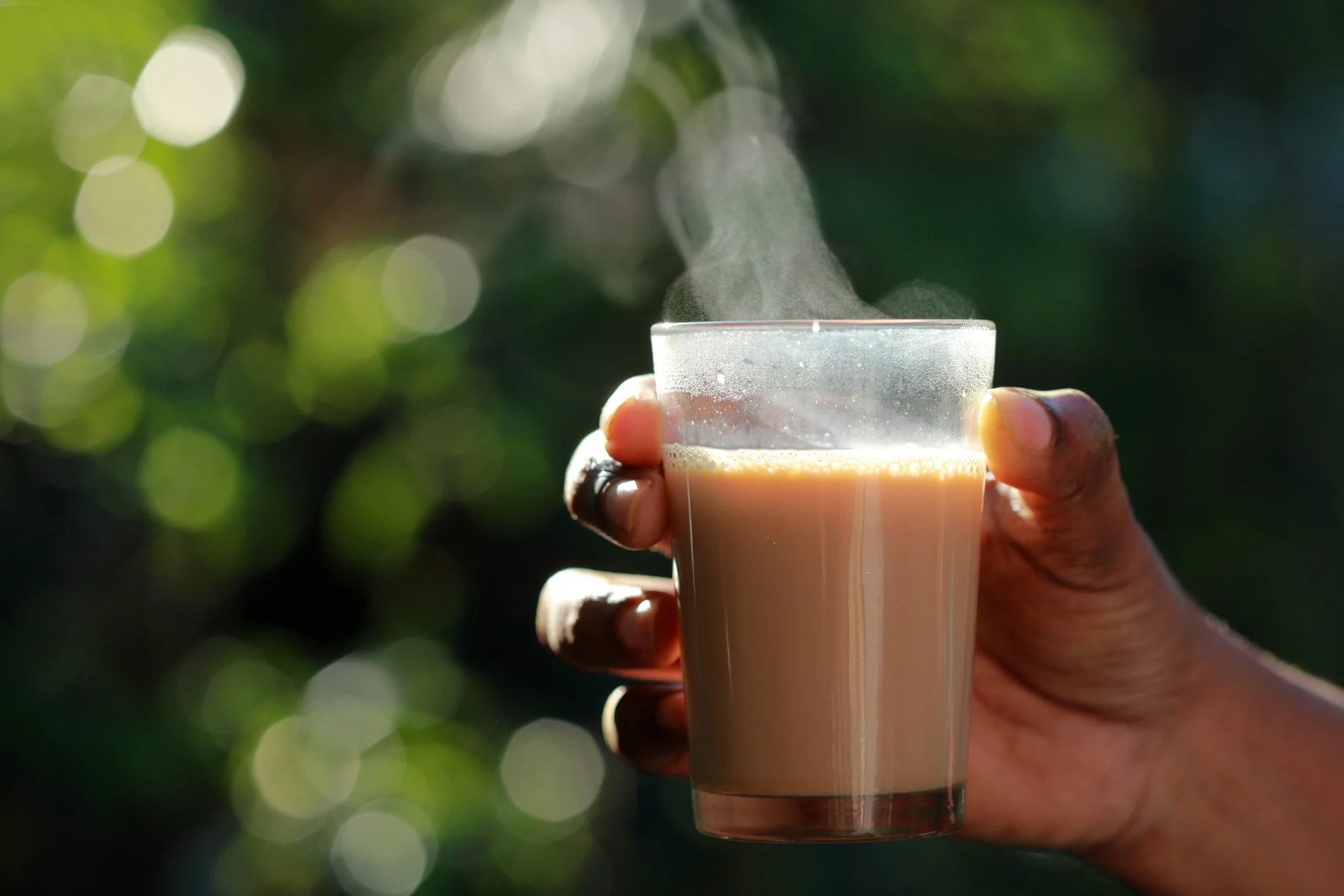
Image credit: ajijchan | Getty Images
However you take it—simmered on the stove, steeped in a hurry, hot or over ice, with the black tea or without — chai is one of the friendliest ways into loose leaf tea. With its cozy and warming spices, it’s also a perfect way to welcome in the Autumn season. As with all special tea days, celebrating is easy: enjoy a nice cup of chai!
Check out our Cozy Collection of teas for fall, including Himalayan Chai and Mile Square Spice.