
How to Brew Loose Leaf Tea (A Simple Beginner’s Guide)
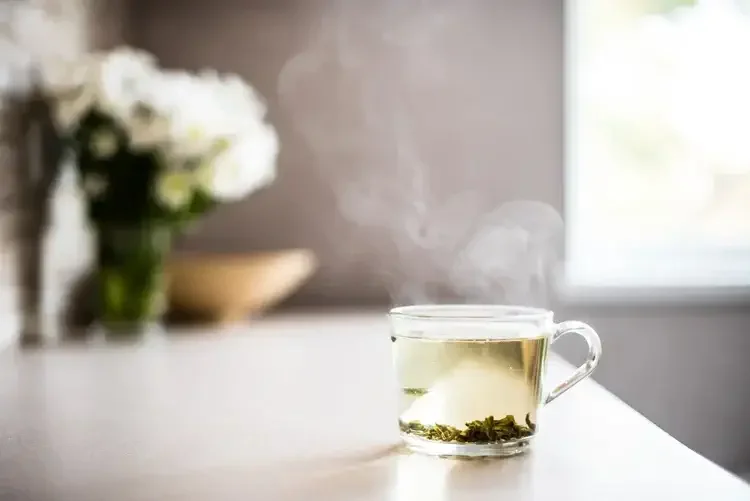
Loose leaf tea has a reputation for being complicated—but it’s easier than most people expect.
At its core, tea is just leaves, water, and time. Once you understand a few basic principles, it becomes a simple, repeatable way to make a better cup of tea—without needing specialized equipment or technical skill.
If you’ve ever felt intimidated by loose leaf tea, this is a good place to start.
How to Brew Loose Leaf Tea (Quick Guide)
If you just want the basics:
Use 2–3 grams of tea per 8 oz (240 ml) of water
Heat water to the appropriate temperature (see below)
Steep for 2–5 minutes, depending on the tea
Remove the leaves and enjoy
From there, adjust based on what tastes good to you.
What You Need (And What You Don’t)
You don’t need much to get started:
Loose leaf tea
Hot water
A way to separate the leaves from the liquid
The simplest setup is a mug with an infuser basket, which gives the leaves enough space to expand while they steep.
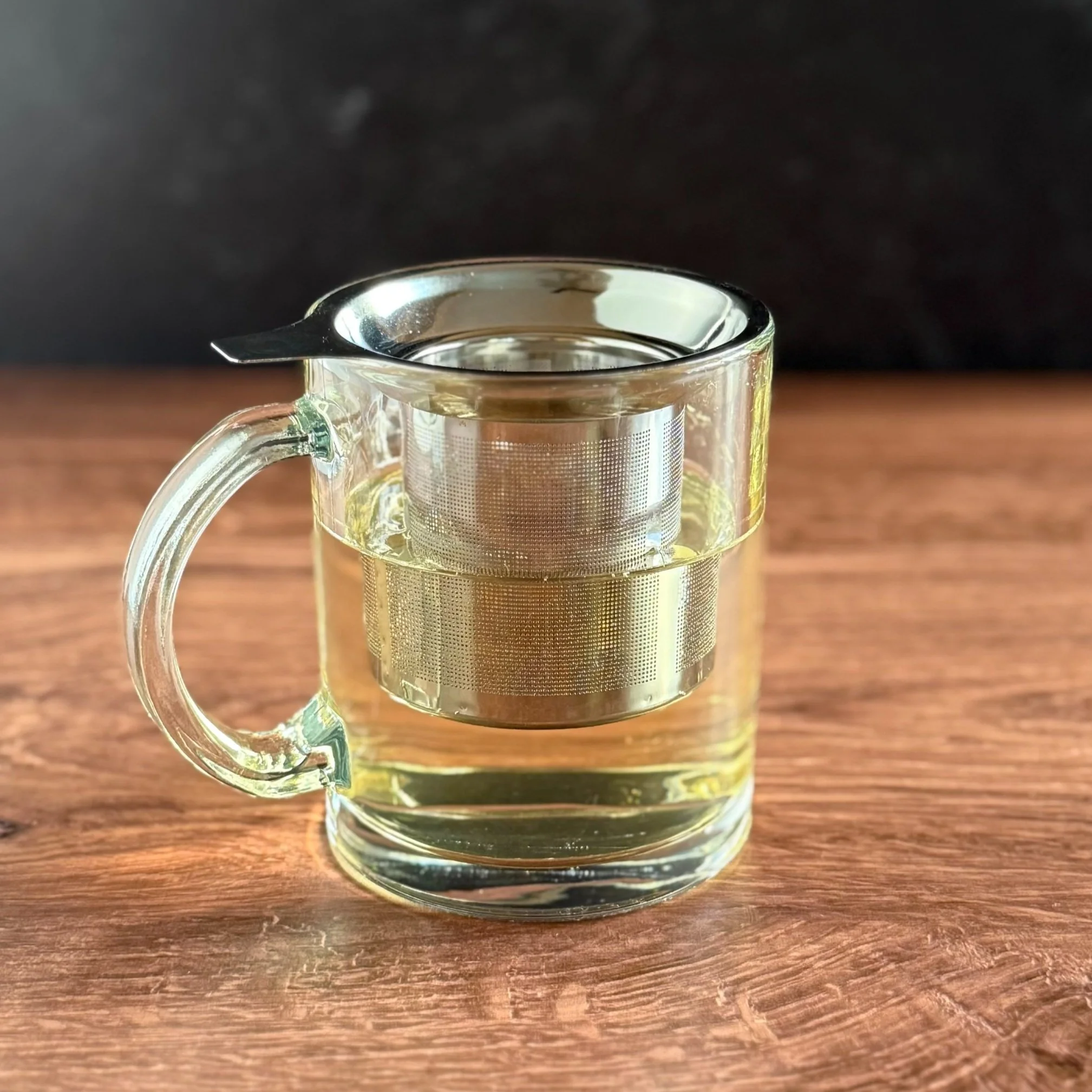
A simple cup of tea
These individual cup strainers are perfect for everyday tea drinking.
Other options include:
Reusable or single-use tea sachets
A teapot with a built-in strainer
A simple kitchen strainer
One thing I generally don’t recommend is ball-style tea infusers. They tend to restrict the leaves, which prevents them from fully opening and can affect the flavor.
If you enjoy collecting teaware, there’s plenty to explore—but it’s not necessary to make a good cup of tea.
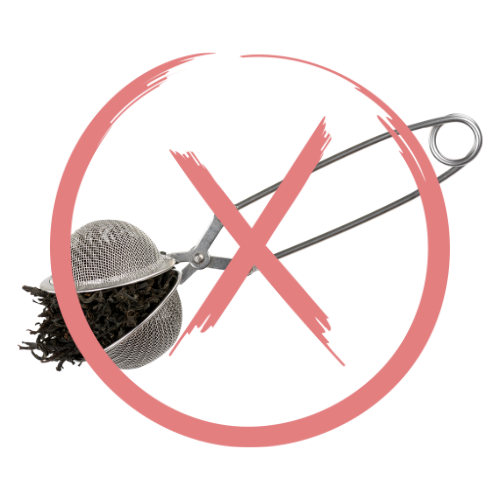
Don’t squeeze the leaves.
Give them space to breathe and relax.
Why make the switch to loose leaf?
There are many different reasons to opt for loose leaf tea over tea bags.
The main reasons to make the switch include:
Wanting higher-quality, better tasting tea
Reducing environmental impact
Potential health benefits
I explore this topic further in another post (Loose Leaf Tea vs Tea Bags: What’s the Real Difference?).
Step 1: Measure the Tea
A good starting point is:
2–3 grams of tea per 8 oz of water
If you don’t have a scale, you can estimate:
~1 teaspoon for denser teas (like black tea)
~1–2 teaspoons for larger, lighter leaves
~1 tablespoon for very “fluffy” teas like blends that feature rose petals or chamomile
In practice, teas vary widely in size and density, so a teaspoon isn’t always consistent. A small kitchen scale can be helpful if you want more precision—but it’s not required.
Step 2: Heat the Water (Temperature Matters)
Water temperature has a noticeable impact on how your tea tastes.
Water that’s too hot can bring out bitterness
Water that’s too cool can result in a flat or weak cup
General guidelines:
Black tea: 200–212 °F (93–100 °C)
Green tea: 160–180 °F (70–80 °C)
White tea: 170–185 °F (75–85 °C)
Oolong tea (green-style): 185–195 °F (85–90 °C)
Oolong tea (black-style): 190–212 °F (88–100 °C)
Herbal tea: 200–212 °F (93–100 °C)
These are starting points, not strict rules. Small adjustments can make a big difference in flavor.
Step 3: Steep
Steeping time affects both strength and balance.
Black tea: 3–5 minutes
Green tea: 2–3 minutes
White tea: 4–6 minutes
Oolong tea: 3–5 minutes
If your tea tastes:
Bitter → try a shorter time or lower temperature
Weak → try more tea or a slightly longer steep
Pro tip: With high-quality whole leaf tea, you don’t always need to remove the leaves—they’ll often sink to the bottom, so you can sip from the top and refill with hot water as needed. This tends to work best with larger, intact leaves as in Dragon Well or many oolongs.
Step 4: Adjust to Taste
There’s no single “correct” way to brew tea.
The best approach is to start with general guidelines, then adjust:
Add more tea for a fuller cup
Reduce steep time for a smoother result
Experiment with temperature
Over time, you’ll find what works for you.
Each tea behaves a little differently, and part of the process is learning how to bring out the flavors you enjoy most.
Water Quality Matters
Tea is mostly water, so the quality of your water has a real impact on the final cup.
Filtered or spring water is usually the best choice. Tap water can sometimes contain chlorine or high mineral content, which can dull the flavor of the tea.
Very low-mineral water (like distilled water) can also result in a flat-tasting cup, since there’s nothing to carry the flavor.
For everyday use, a simple filter pitcher works well. I keep one on the counter and use it for all my tea.
Hot Tea vs Cold Brew vs Iced Tea
There’s more than one way to brew tea, depending on what you’re in the mood for.
Hot Tea
The most common method—just add hot water, steep, and remove the leaves.
Cold Brew Tea
Cold brewing is simple and very forgiving:
Add tea to a jar or pitcher
Fill with cold water
Refrigerate overnight
Cold brew tends to be smoother and less bitter. Even if you leave it for longer than intended, it’s usually still enjoyable.
Iced Tea
To make iced tea:
Brew tea hot using 1.5–2× the normal amount of tea
Steep as usual
Pour over ice
This keeps the flavor from being diluted.
Want more tips on making iced and cold brew tea? I’ve written another post including a few easy recipes.
Common Mistakes to Avoid
A few small changes can make a big difference:
Using boiling water for delicate teas like green or white
Using too little tea and over-steeping to compensate
Restricting the leaves so they can’t fully expand
Using poor-quality water
If something tastes off, it’s usually easy to fix with a small adjustment.
Keep It Simple
It’s easy to overcomplicate tea. But at its core, it’s just a simple process.
Start with a basic setup. Follow general guidelines. Adjust based on what tastes good to you.
That’s all you need.
A Simple Place to Start
If you’re new to loose leaf tea, start with something balanced and forgiving—like a smooth black tea or a simple herbal blend.
A whole-leaf black (like our Nepali Gold) tea won’t get bitter if steeped for too long.
For an easy-to-brew herbal, I recommend something like our Lavender Fields. Chamomile and lavender tend to be very robust to different steeping times and temperatures.
From there, you can explore at your own pace.