
Loose Leaf Tea vs Tea Bags: What’s the Real Difference?
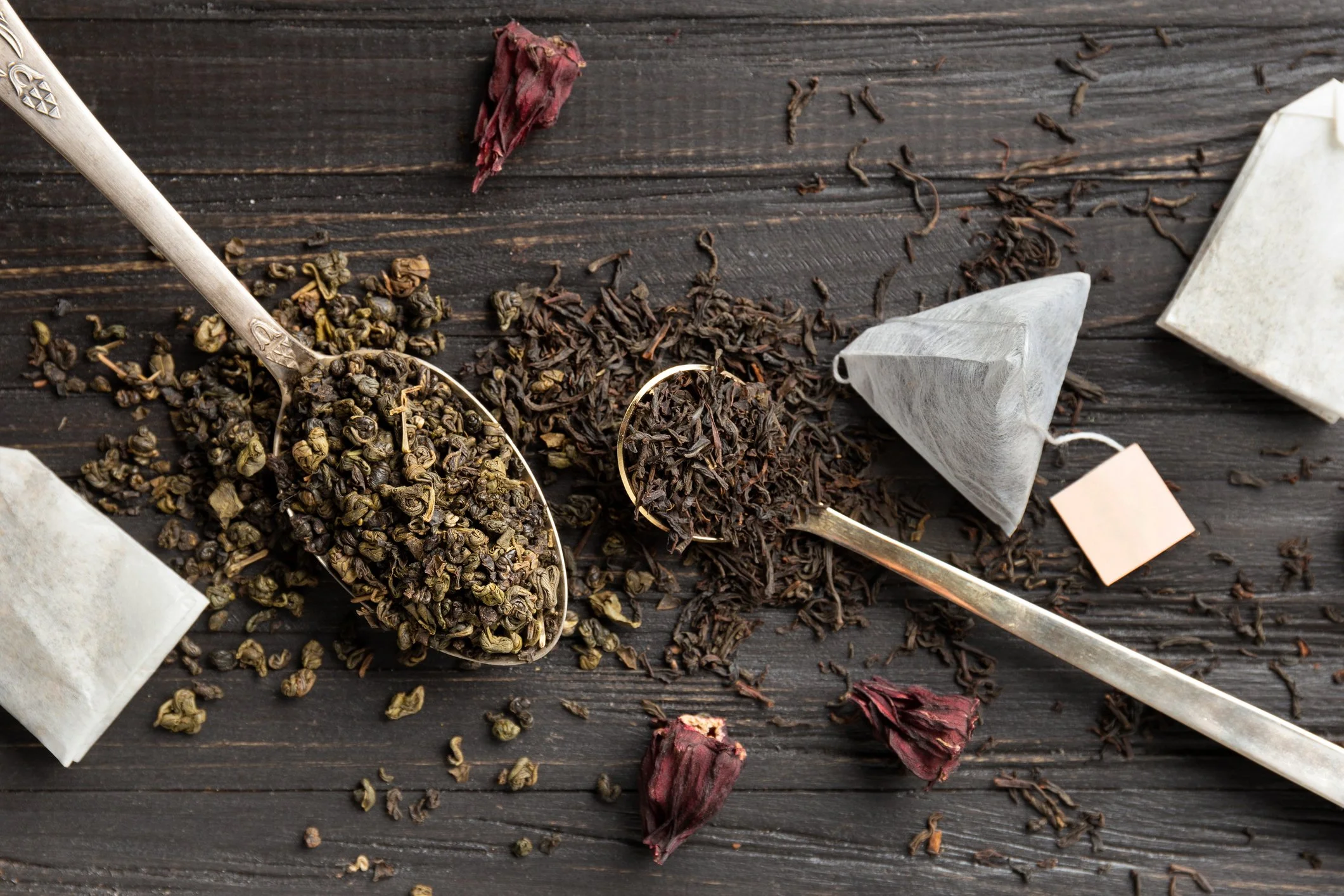
Image credit: NATALIA MARNA
Tea bags are convenient. Loose leaf tea is often described as better.
But what does that actually mean—and does it matter for how your tea tastes?
If you’re deciding between the two, the differences come down to a few key factors: quality, flavor, control, and convenience. None of these are inherently right or wrong—it depends on what you value.
What’s Inside: Leaf Size and Quality
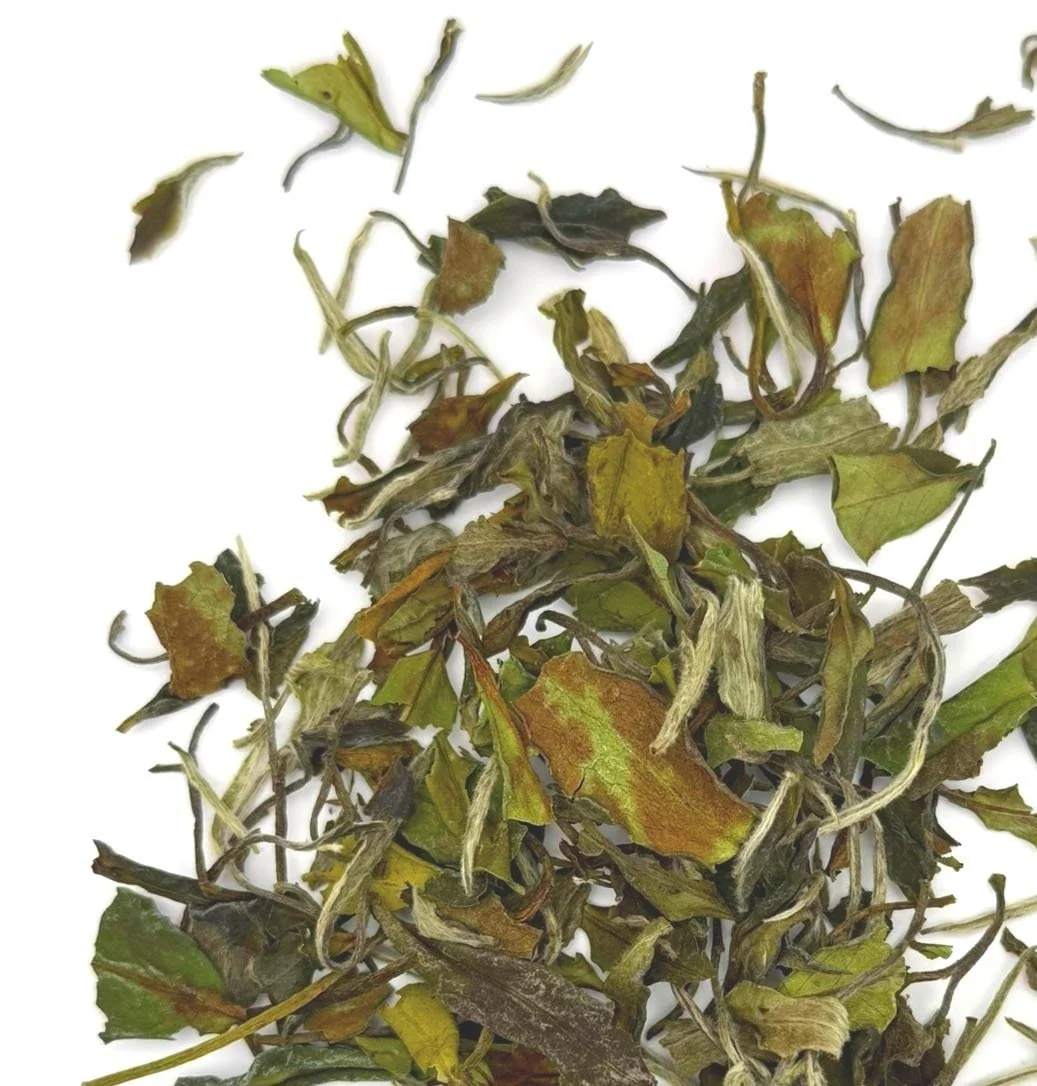
Close-up view of White Peony tea leaves
The most important difference between loose leaf tea and most tea bags is what’s actually inside.
Loose leaf tea typically contains whole or partially intact leaves, while many conventional tea bags contain much smaller particles—often referred to as fannings or dust. These are not necessarily “bad,” but they behave differently when brewed.
Smaller particles:
Infuse quickly
Release flavor faster
Are more prone to bitterness if over-steeped
Larger, whole leaves:
Infuse more gradually
Tend to produce a smoother, more layered flavor
Are generally more forgiving if you leave them steeping slightly longer
This is why loose leaf tea often tastes more balanced—even when brewed imperfectly.
Flavor: Subtle vs Flat
Because of differences in leaf size and quality, the flavor experience can be noticeably different.
Loose leaf tea tends to have:
More aromatic complexity
A fuller texture in the mouth
A cleaner finish
Lower-grade tea bags can sometimes taste:
Flat or one-dimensional
Bitter or overly strong
Less distinct from cup to cup
That said, not all tea bags are low quality. Some brands use whole leaf tea in larger sachets, which behave more like loose leaf. The key is whether the leaves have enough space to expand.
Brewing: Control vs Convenience
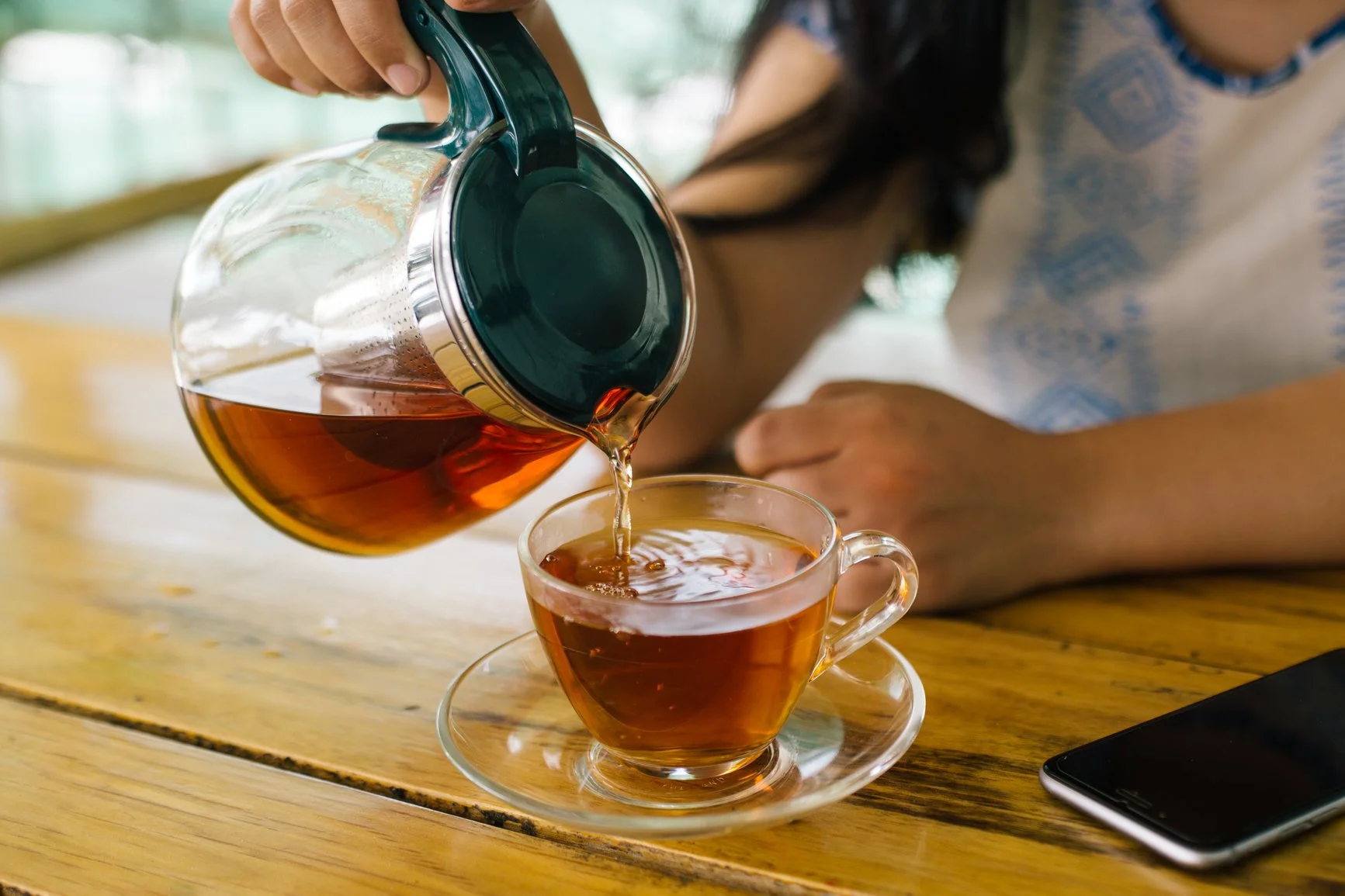
Tea bags are designed for simplicity. You place one in hot water, wait a few minutes, and you’re done.
Loose leaf tea gives you more control:
You decide how much tea to use
You can adjust steeping time and temperature
You can re-steep the leaves multiple times
This flexibility is part of what makes loose leaf tea appealing—but it also introduces a small learning curve.
In practice, the difference in effort is smaller than most people expect. A simple infuser basket and a teaspoon (or small scale) is all you need to get started.
→ (Internal link: Getting Started with Loose Leaf Tea)
Re-steeping: Getting More from Your Tea
One of the advantages of higher-quality loose leaf tea is that it can often be steeped multiple times.
Each infusion reveals slightly different flavors, especially with whole-leaf teas like oolong or green tea.
Most standard tea bags, by contrast, are designed for a single steep. A second infusion is usually much weaker.
Environmental Impact
This is an area where the differences are often overlooked.
Loose leaf tea:
Typically uses less packaging per cup
Avoids single-use bags
Can be composted more easily (depending on packaging)
Tea bags:
Often contain mixed materials (paper + plastic fibers in some cases)
Are single-use
May not be compostable, depending on construction
Some tea bags are fully biodegradable—but it varies by brand.
Interested in the packaging we use? Find more information here.
What About Microplastics?
There has been growing discussion around microplastics in tea bags, particularly with nylon or plastic-based pyramid sachets. Even paper tea bags can sometimes contain plastic components, such as coatings or adhesives.
Research suggests that some of these materials can release microscopic plastic particles when exposed to hot water. However, not all tea bags are made this way, and the level of exposure can vary widely depending on the materials used. It’s also worth noting that the health impacts of microplastics are still an active area of research.
If microplastics are a concern for you, look for:
Paper-based, plastic-free tea bags
Tea bags that use a staple or sewn closure rather than glue
Or switch to loose leaf tea with a reusable infuser
It’s also worth noting that terms like “plant-based” or “made from plants” don’t necessarily mean a tea bag is plastic-free. Many of these materials are bio-plastics (such as PLA), which are derived from plant sources but still behave like plastic and may release microscopic particles when exposed to hot water.
Because this process is influenced by heat, cold brewing will reduce the final concentration of microplastics.
If you’d like to explore this topic further, organizations like Microplastic Free publish detailed information and testing standards around microplastics in consumer products.
Which One Should You Choose?
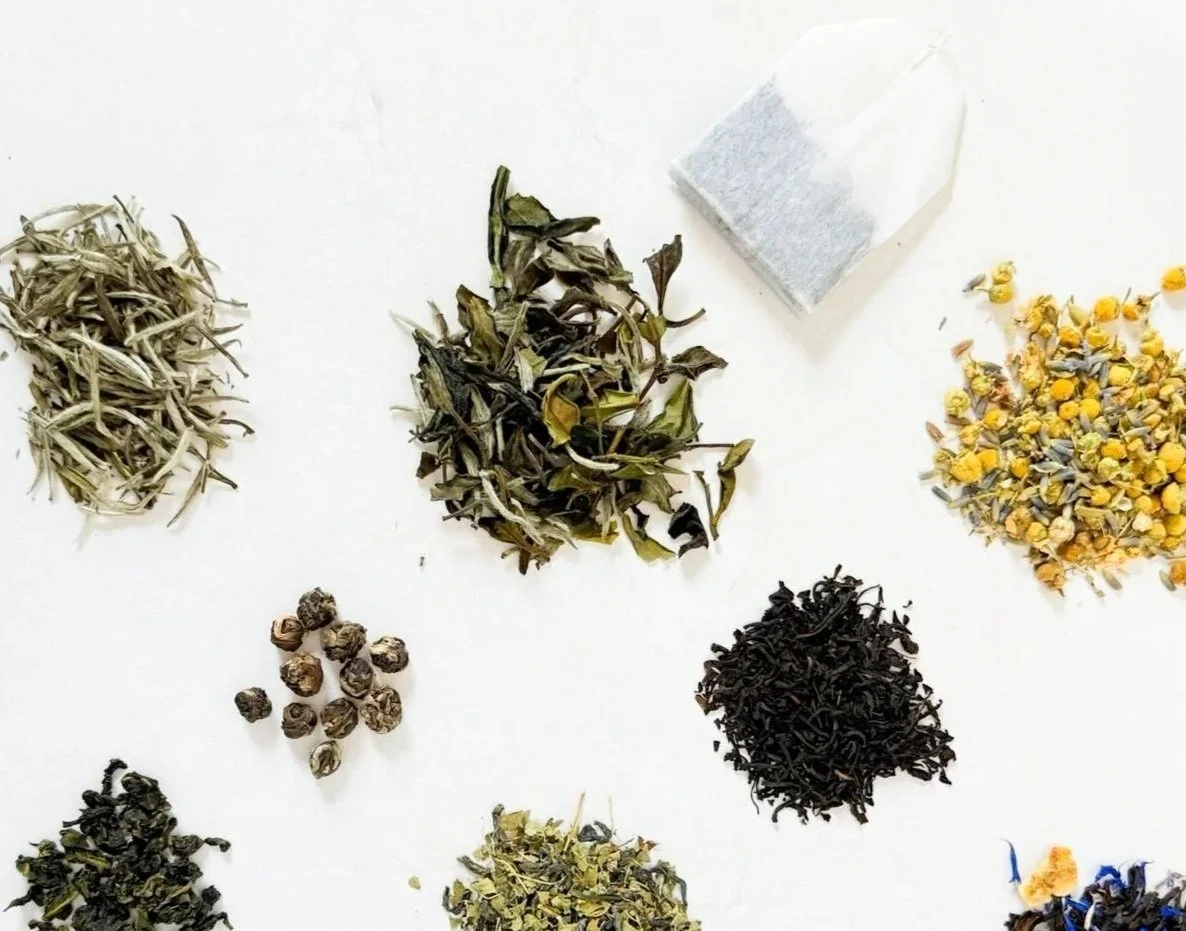
There’s no single right answer.
Choose tea bags if:
You want maximum convenience
You’re brewing on the go
You prefer something pre-measured
Choose loose leaf tea if:
You care about flavor and quality
You want more control over how your tea tastes
You enjoy the process of brewing
For many people, it’s not either/or. Tea bags can be useful in some situations, while loose leaf becomes part of a more intentional daily routine. I mostly drink loose leaf tea, but I do use tea bags occasionally—especially for things like air travel or when I’m at a café.
A Simple Starting Point
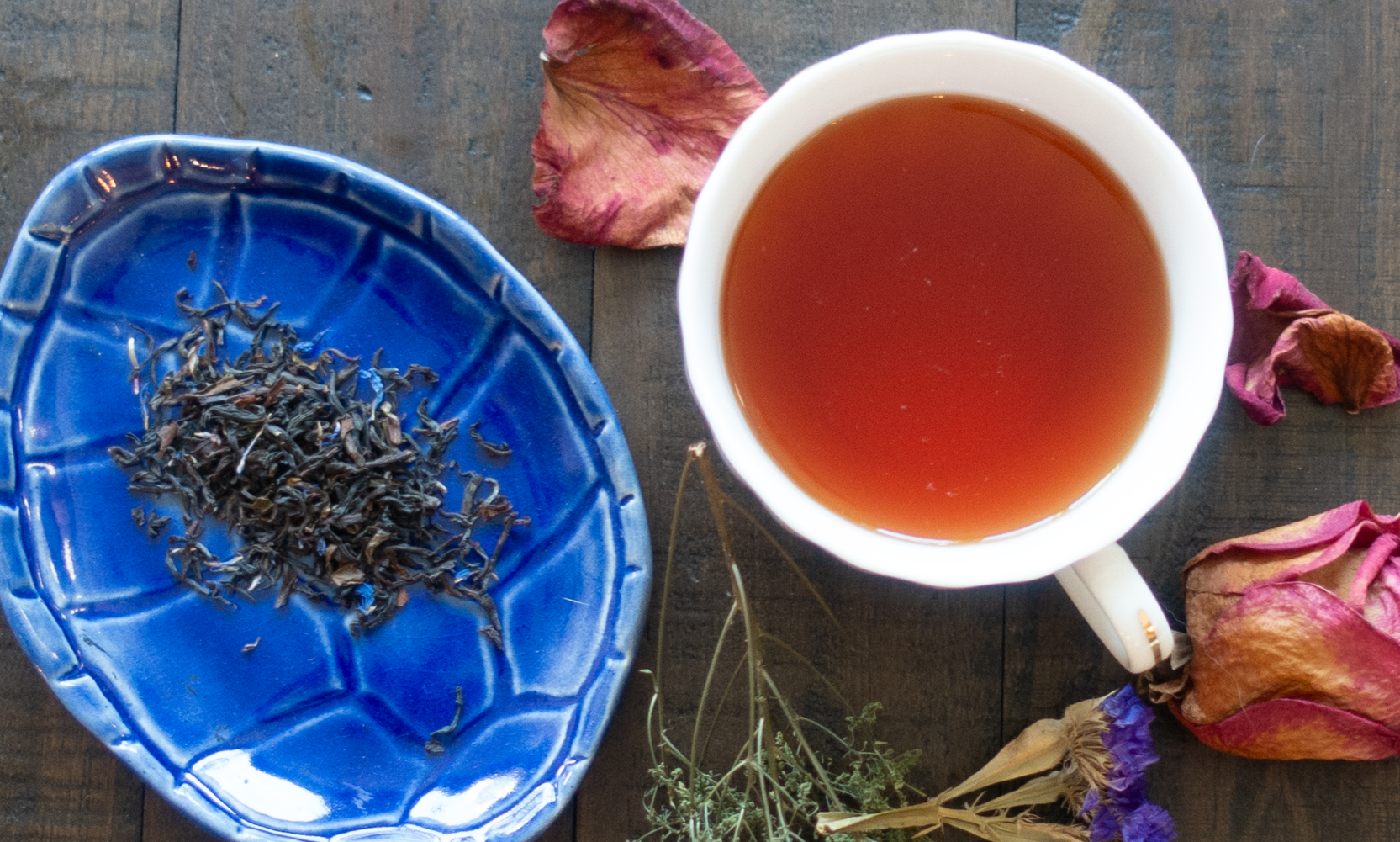
If you’re curious about loose leaf tea but not sure where to begin, start with something straightforward—like a balanced black tea or a simple herbal blend. For easy brewing tips, check out my post about how to brew loose leaf tea.
The goal isn’t to make it complicated. It’s just to make a better cup of tea.