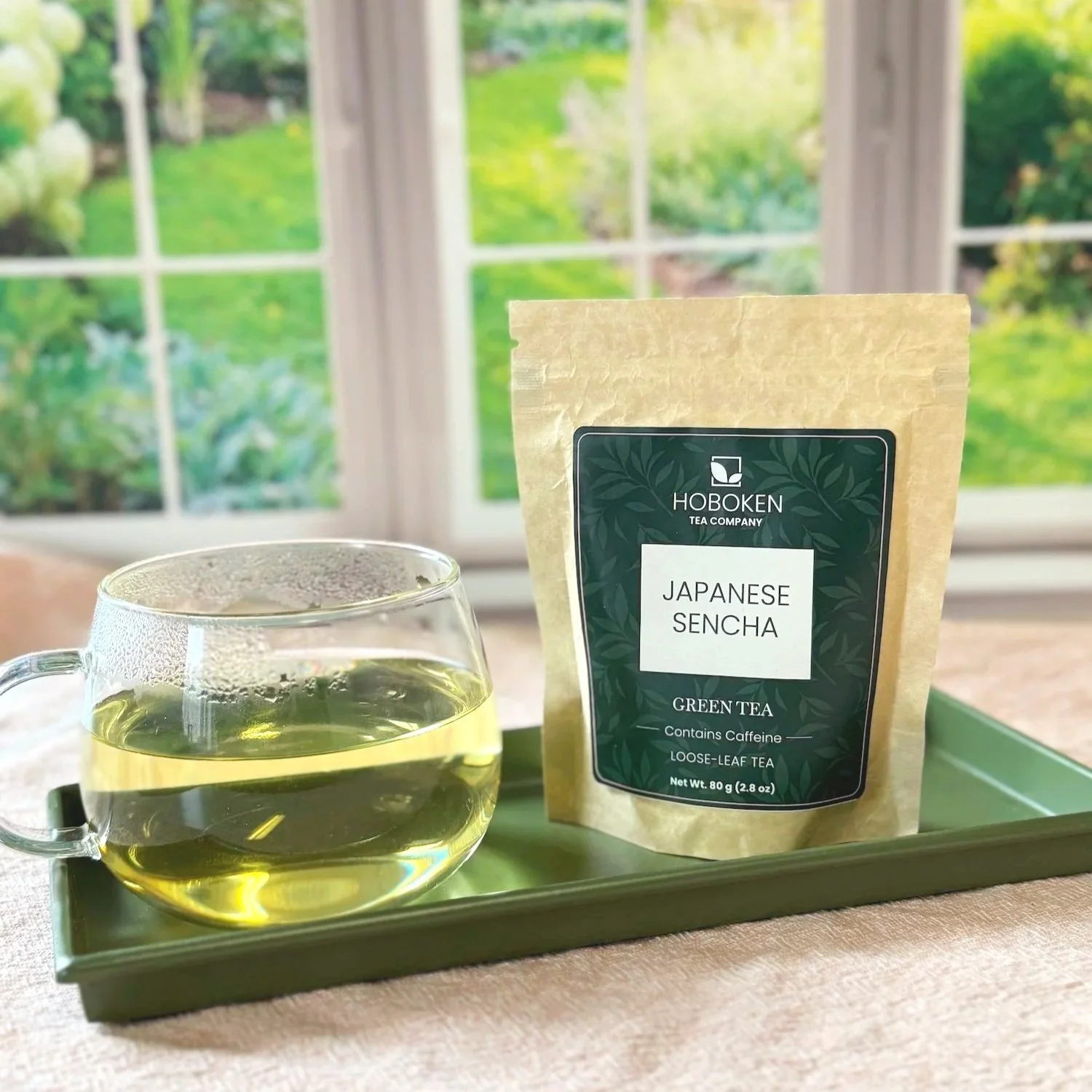
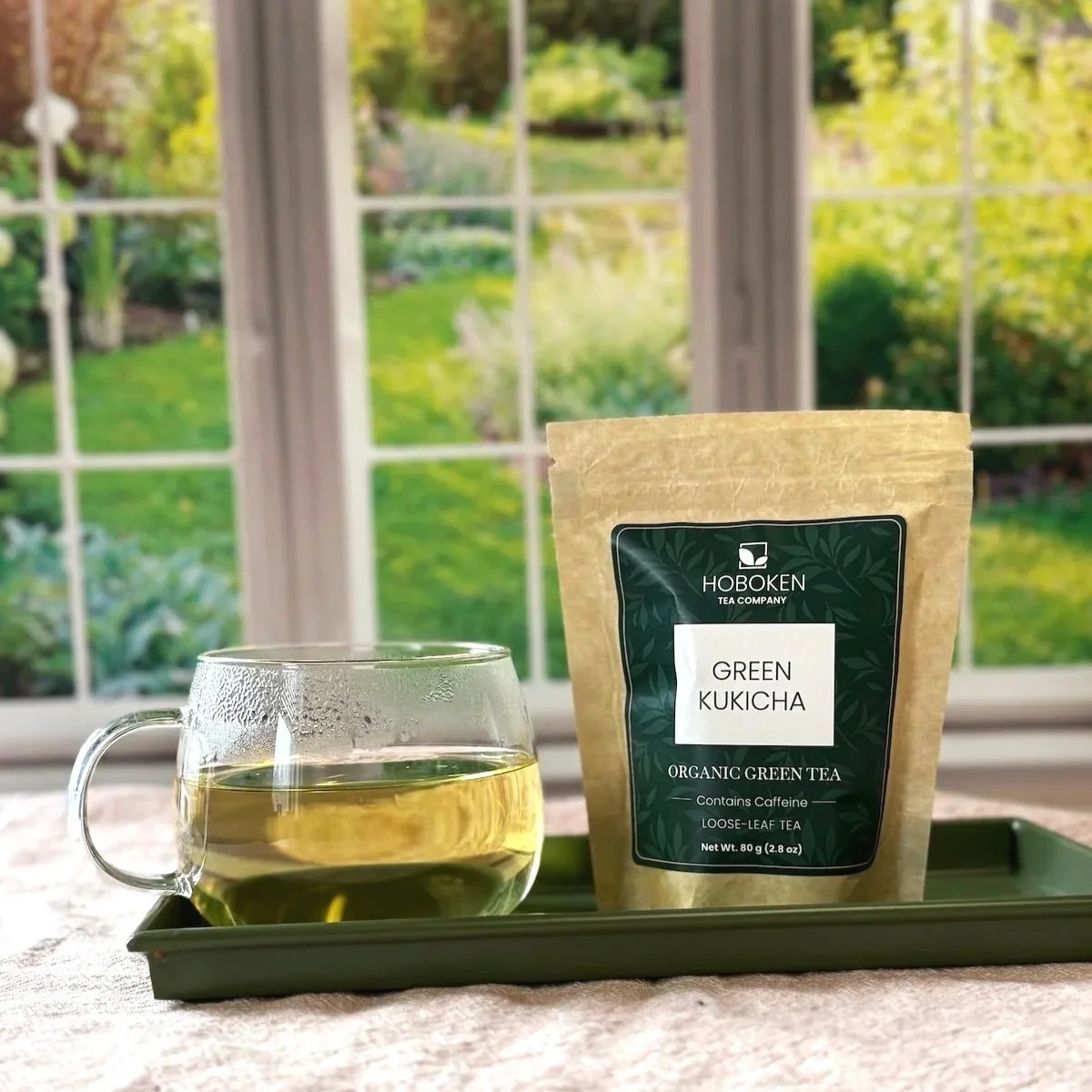
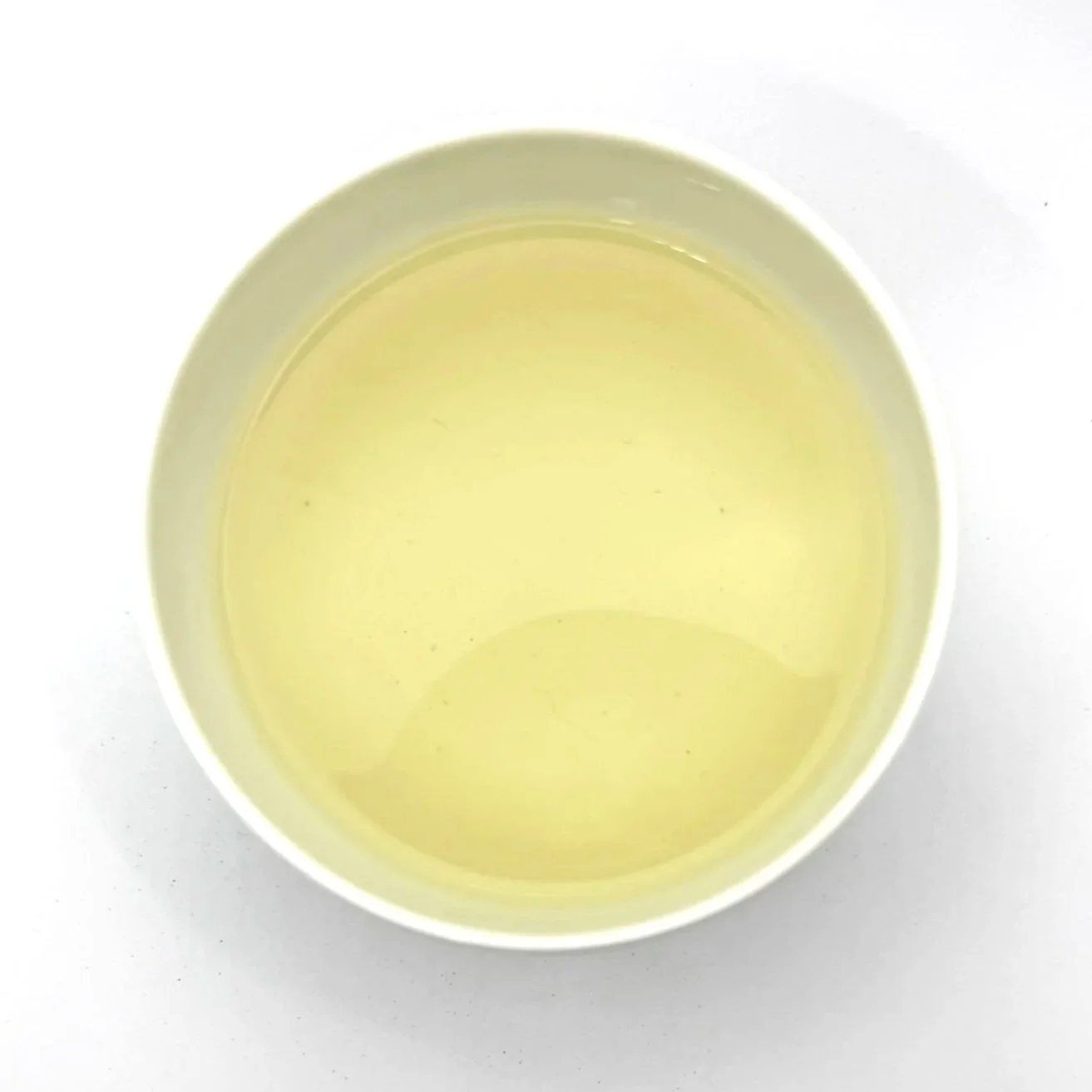
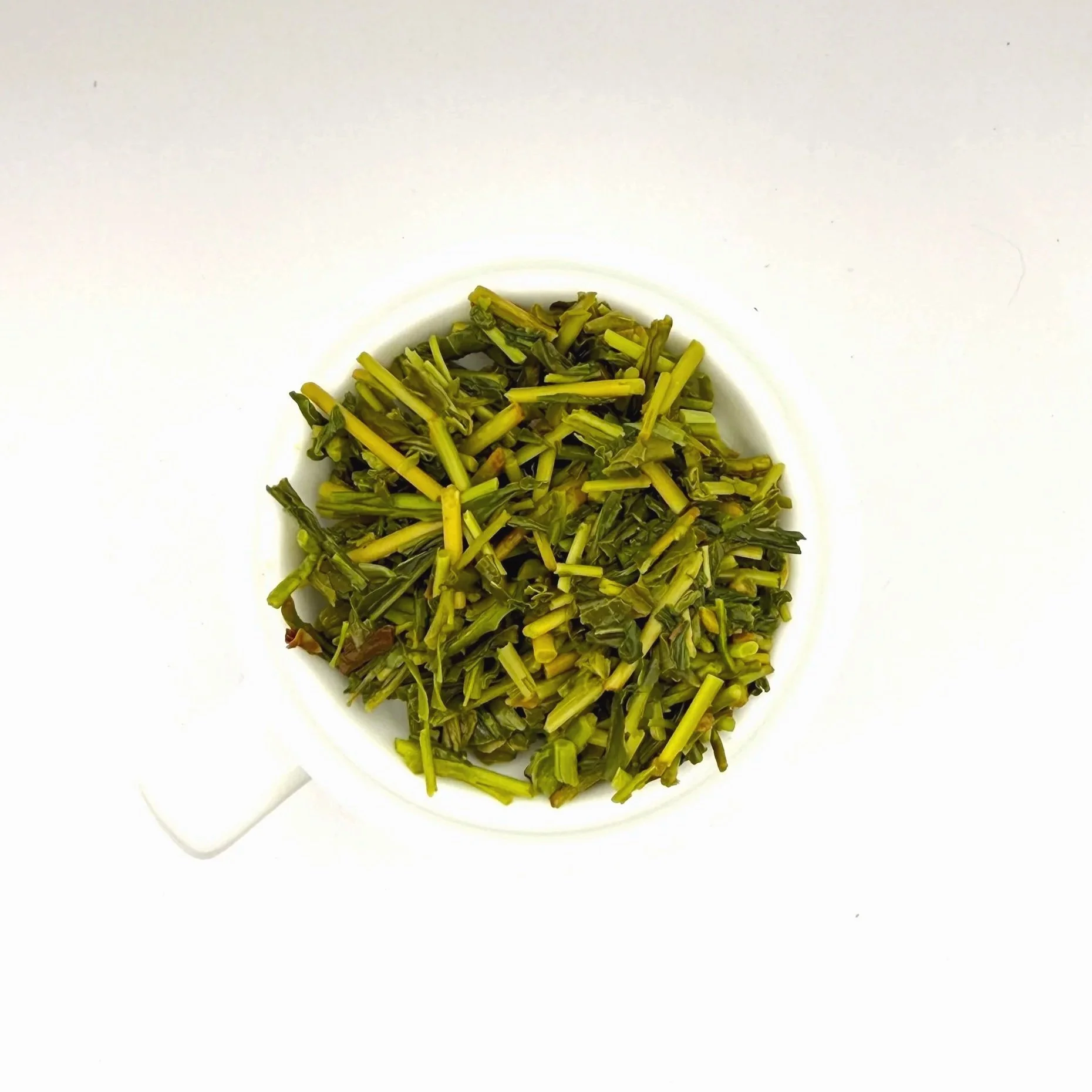
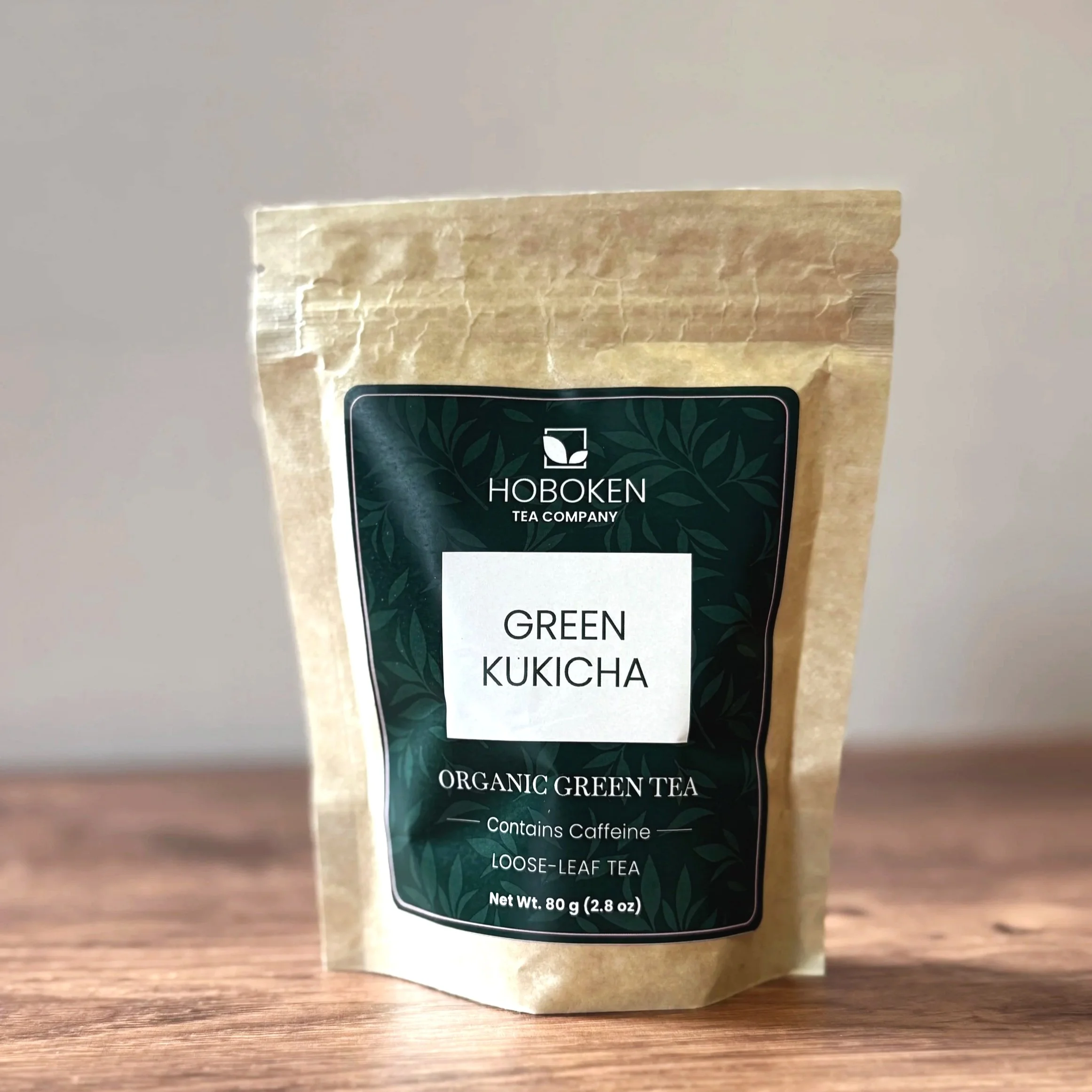
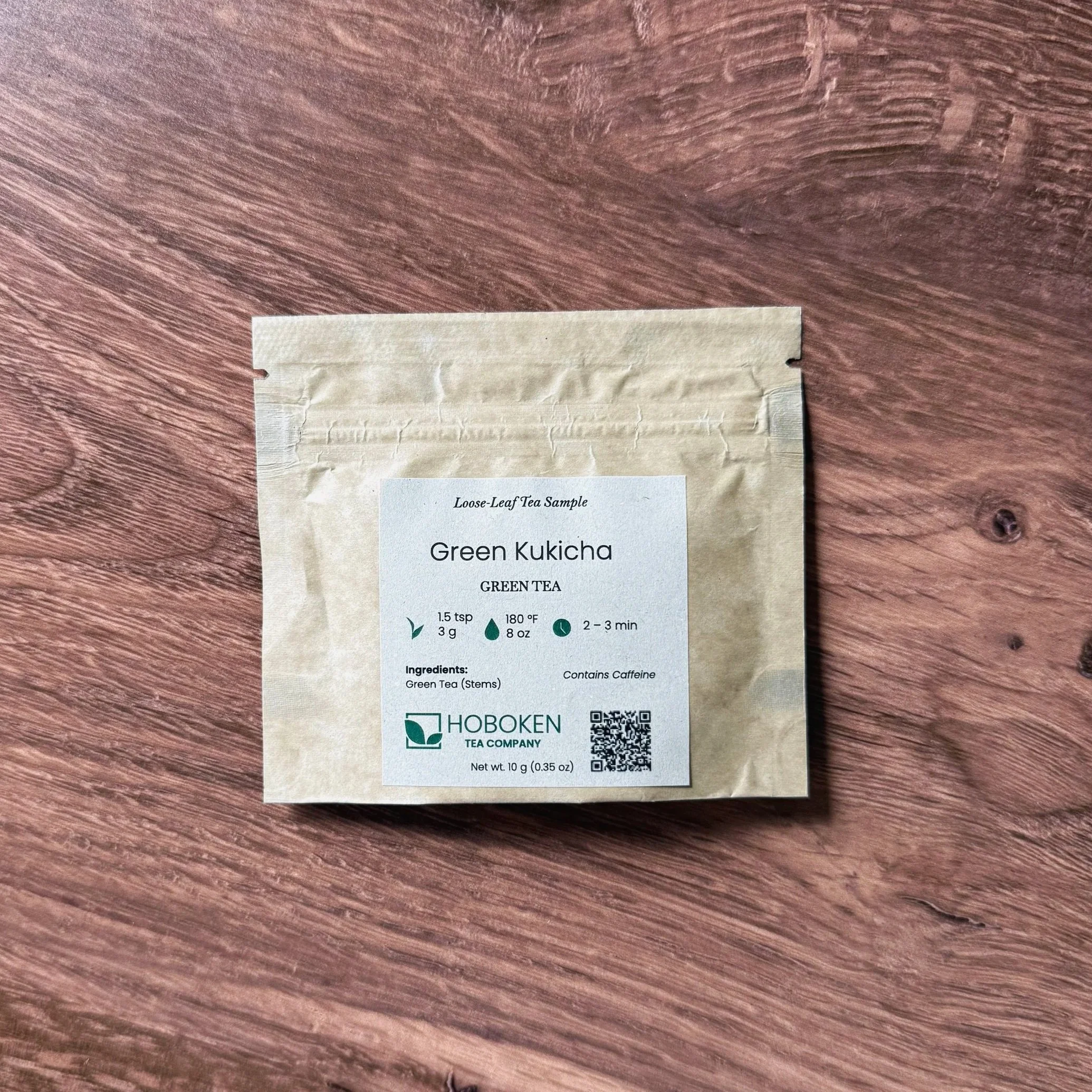
 Image 1 of 9
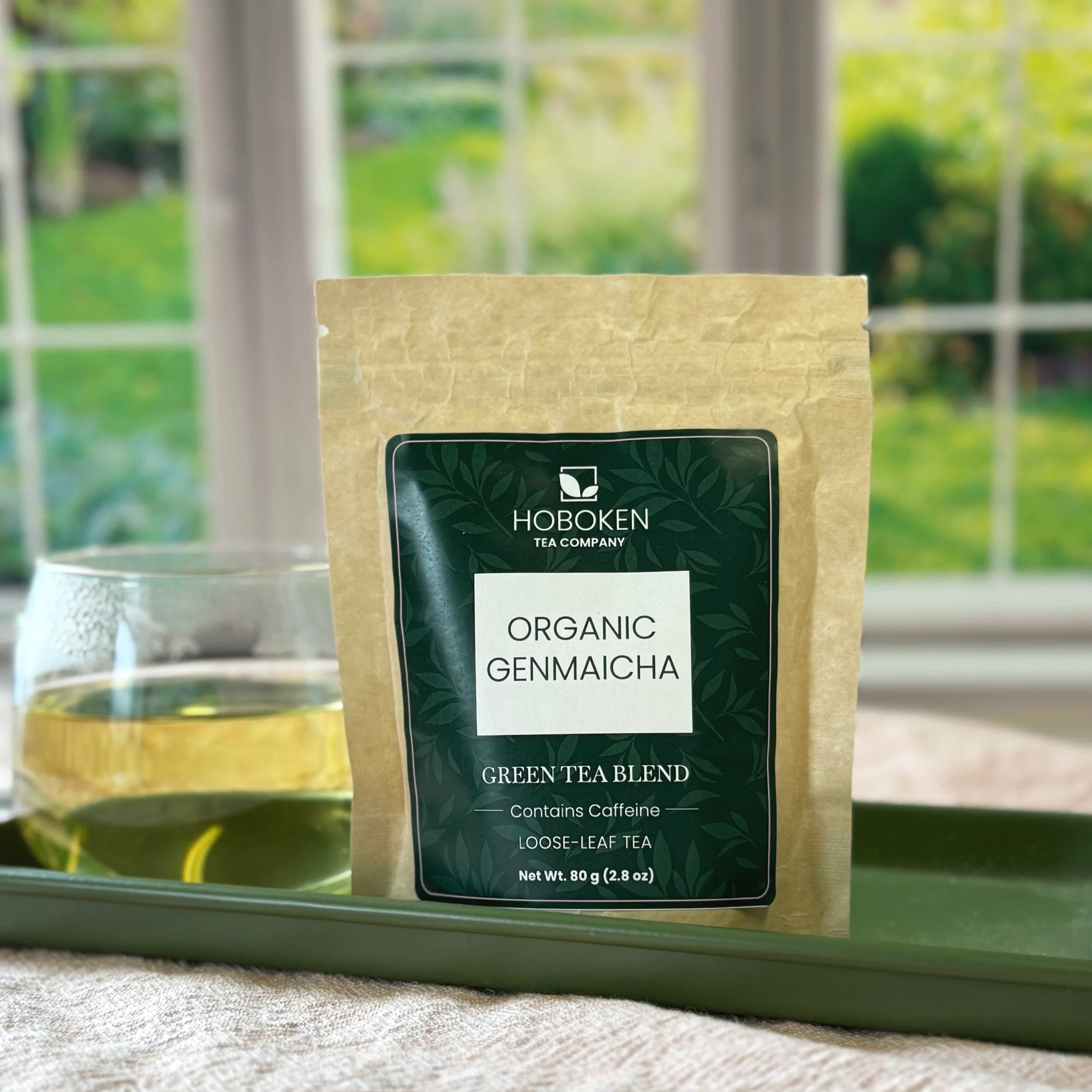 Image 2 of 9
 Image 3 of 9
 Image 4 of 9
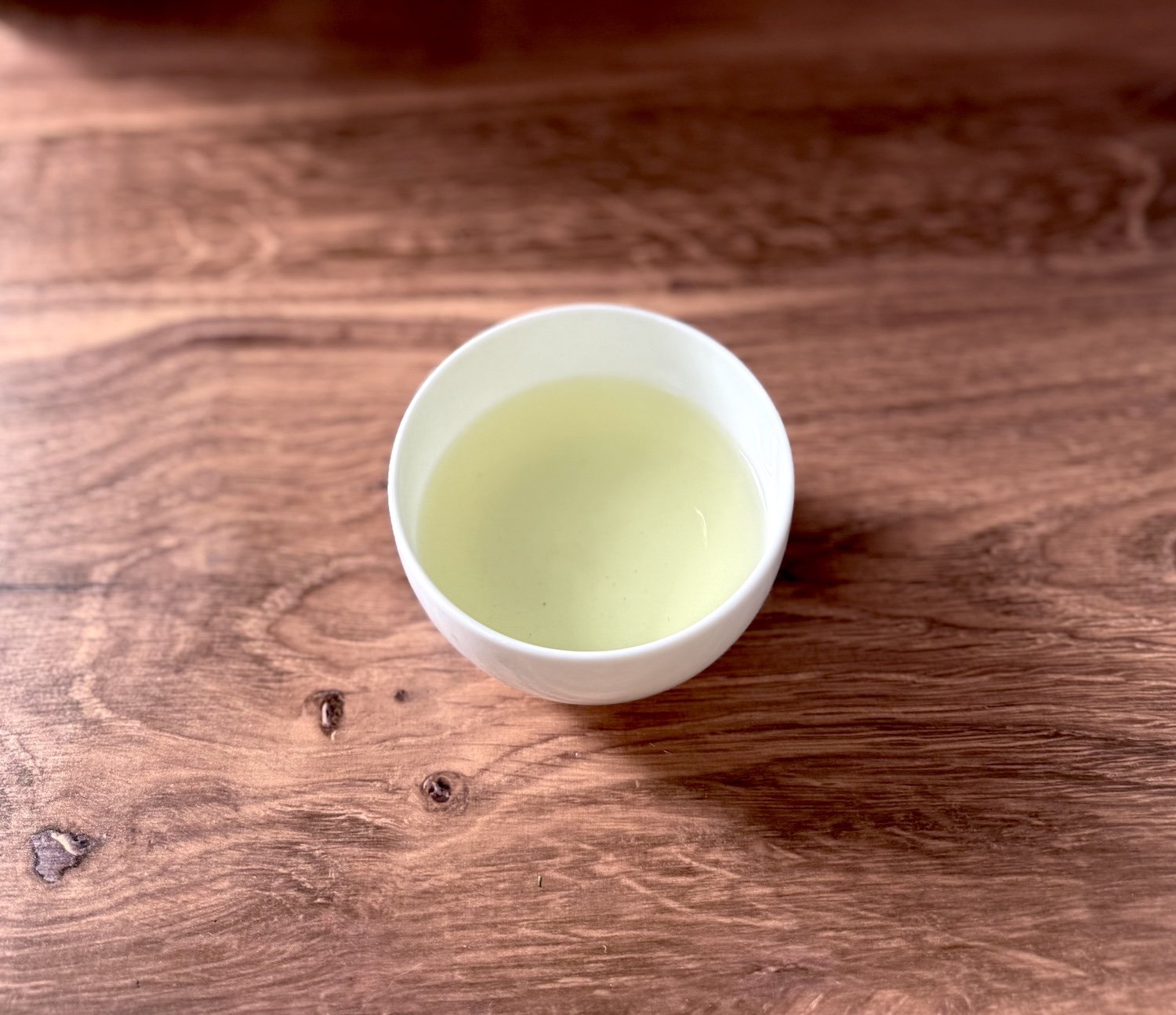 Image 5 of 9
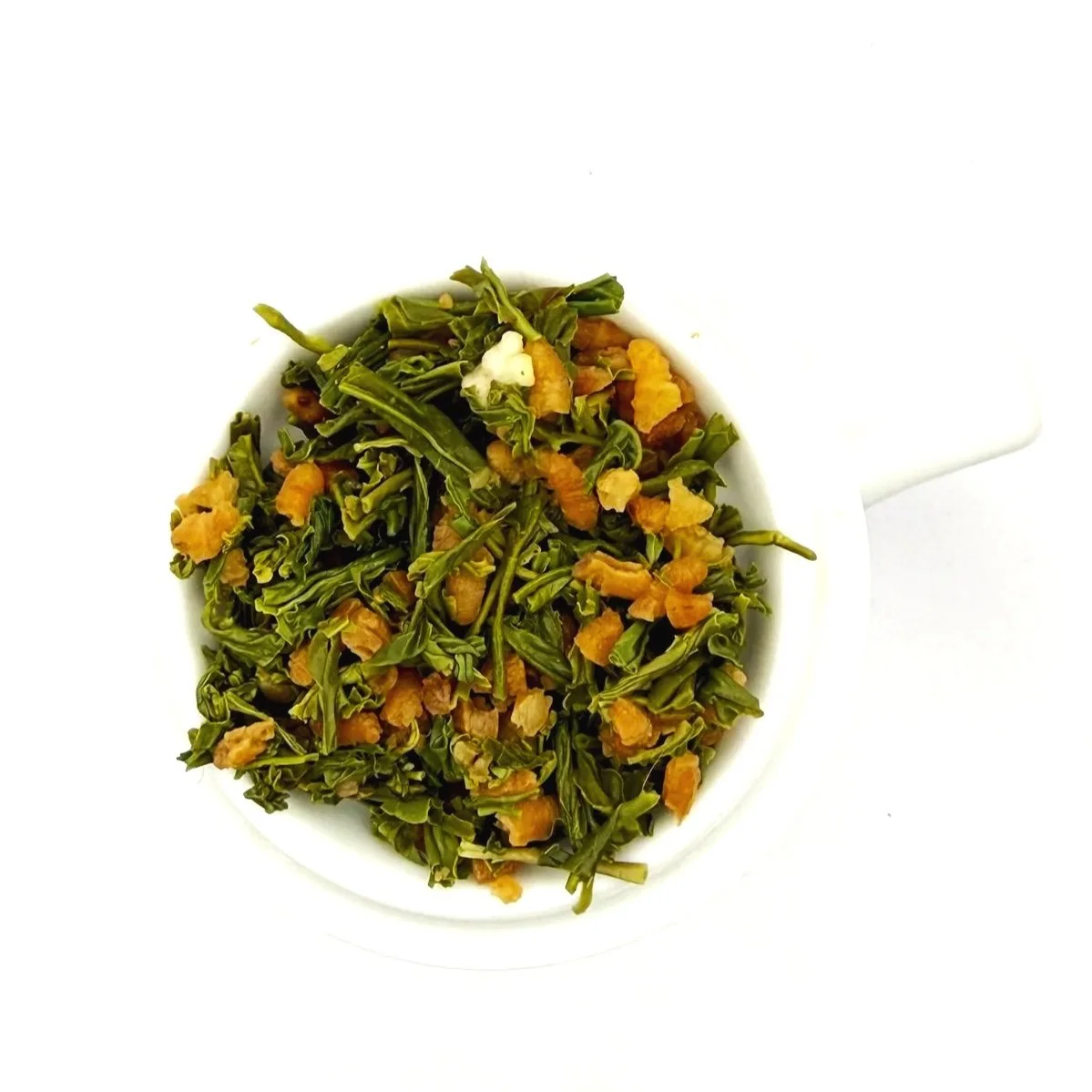 Image 6 of 9
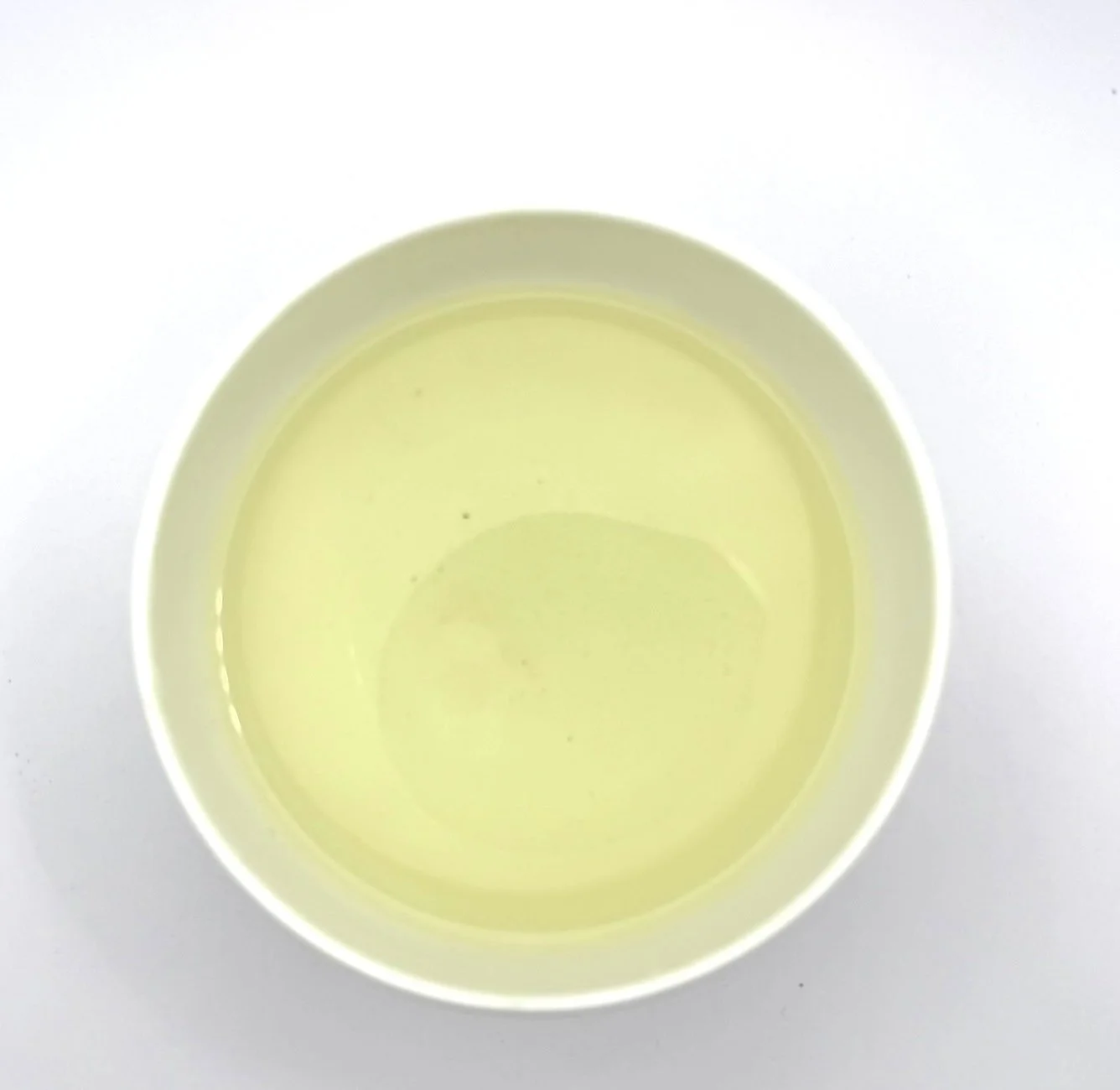 Image 7 of 9
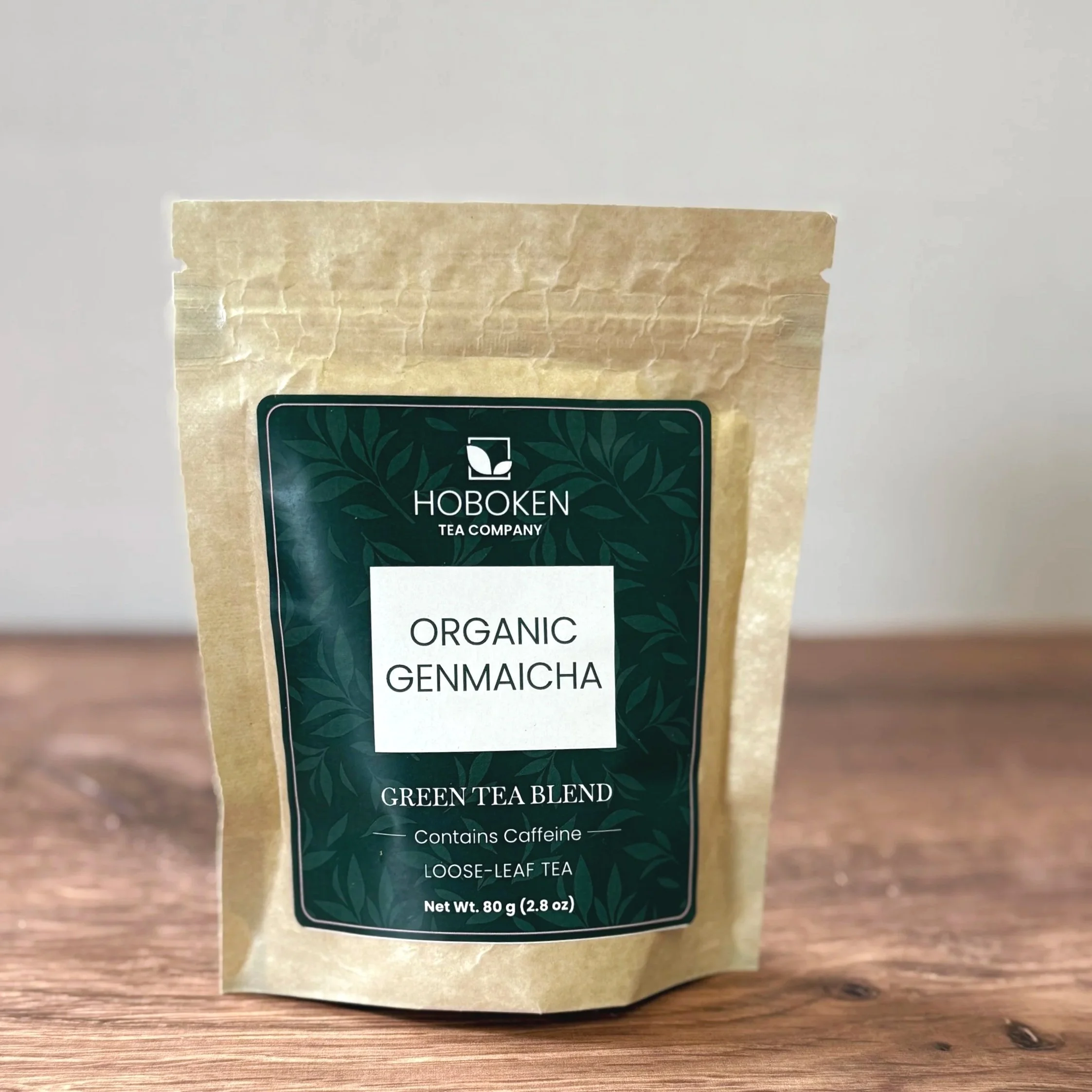 Image 8 of 9
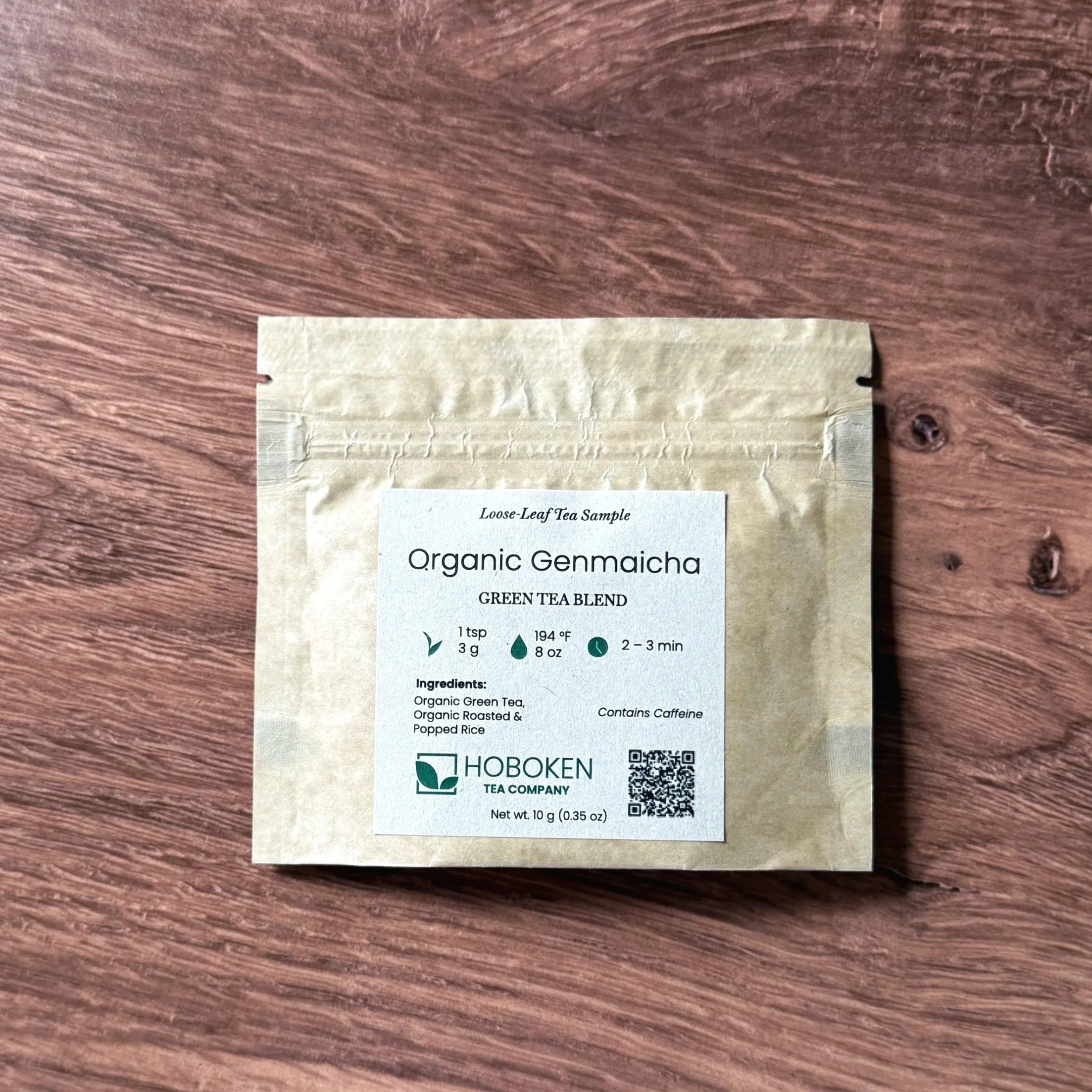 Image 9 of 9
Organic Genmaicha | Green Tea with Roasted Rice | Contains Caffeine (Organic)
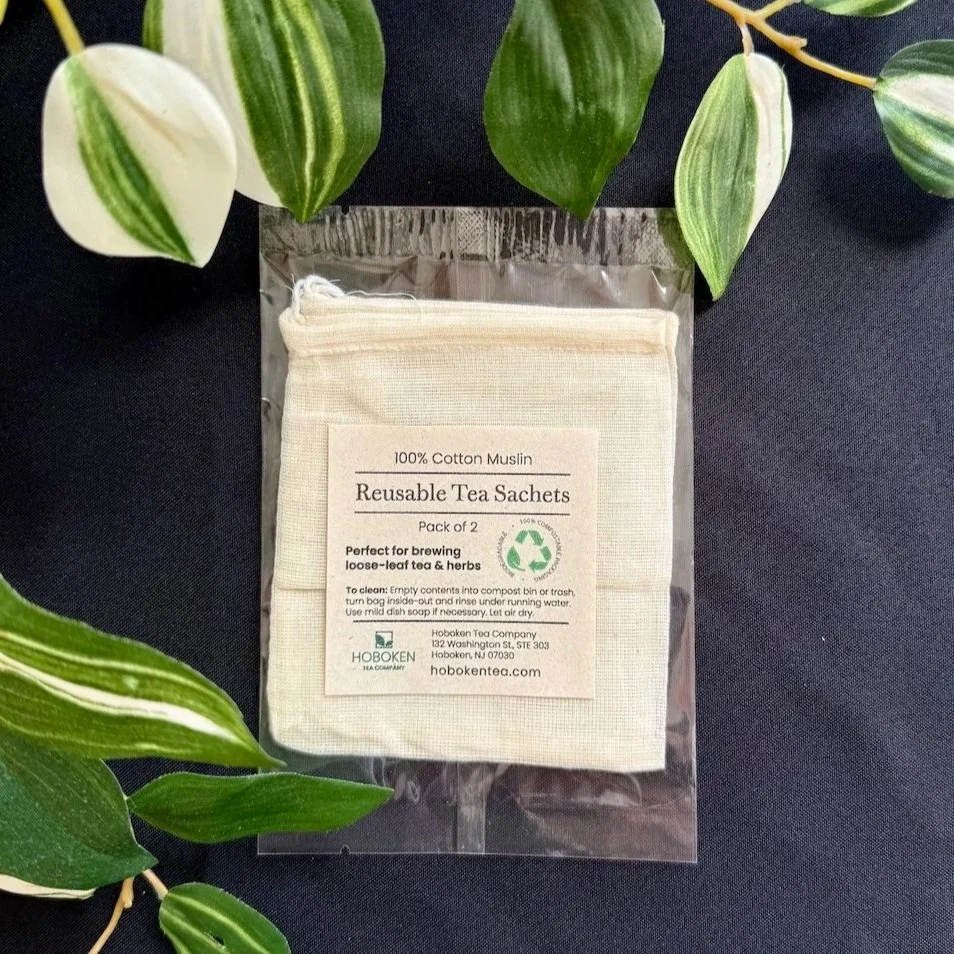
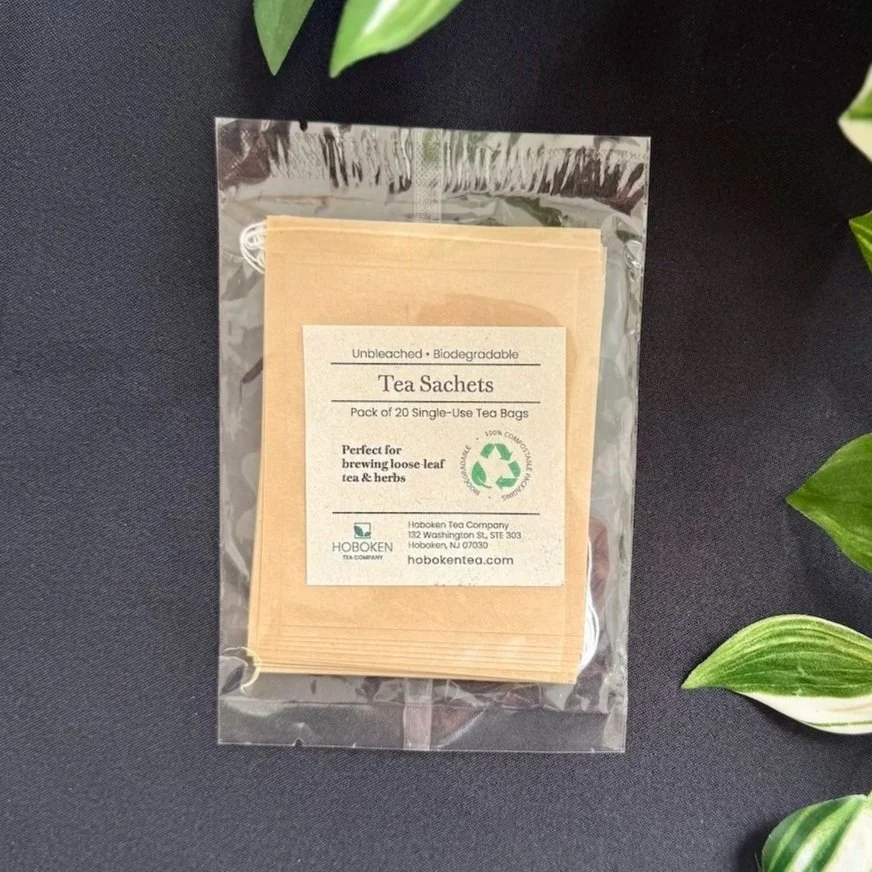

How to use loose leaf tea
Place tea leaves in a teapot, infuser basket, or empty tea bag
Pour hot water over the tea (rather than dunking tea leaves into the water)
Strain or remove leaves before enjoying
If you need help getting started with loose leaf tea, read our article here. We also sell easy-to-use infusers and fillable tea bags — shop here.
Brewing Guidelines
Brew green tea with water below boiling temperature to minimize harshness or bitterness.
Heat 8 oz of filtered water to a boil and cool to 194 °F (about 90 °C) by pouring into a cool glass and letting it sit for a few minutes. Alternatively, use a kettle with a temperature selection option to heat only to 194 °F.
Pour water over 3 g (about 1 - 1.5 teaspoons) tea and steep 2 – 3 minutes. Adjust time and amount of tea depending on desired strength.
If serving over ice, use more tea when brewing to avoid diluting the tea too much as it cools.
Always use filtered or spring water to fully enjoy the taste of your tea. For best results, brew using a teapot with a removable filter that allows the leaves to unfurl completely. Avoid tea balls/eggs or other infusers that compress the tea leaves.
Genmaicha is traditionally brewed in a kyusu - a type of small Japanese teapot. If brewing in a kyusu, use a higher ratio of tea to water and steep for only 30s - 1 min. Re-steep as many times as desired to keep enjoying.
Storing Tea
Keep sealed in a cool, dry place away from strong odors, moisture, and light. We do not recommend storing tea in clear containers (such as glass jars) as light can affect the shelf life of tea.
Green tea should be consumed within 1 - 2 years of purchase for optimal flavor.
Curious about our compostable packaging? Learn more
About this Tea
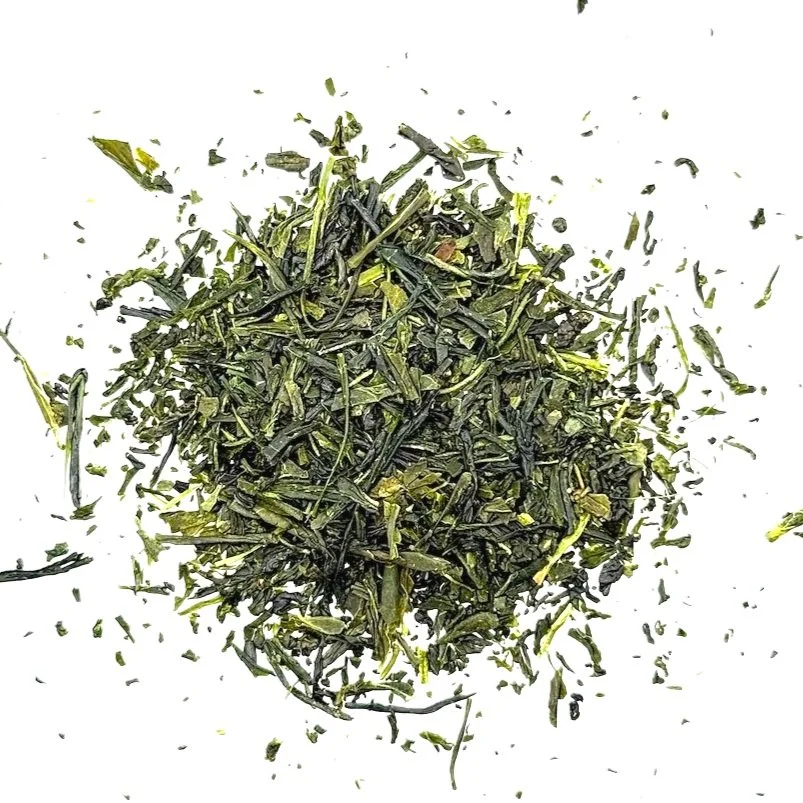
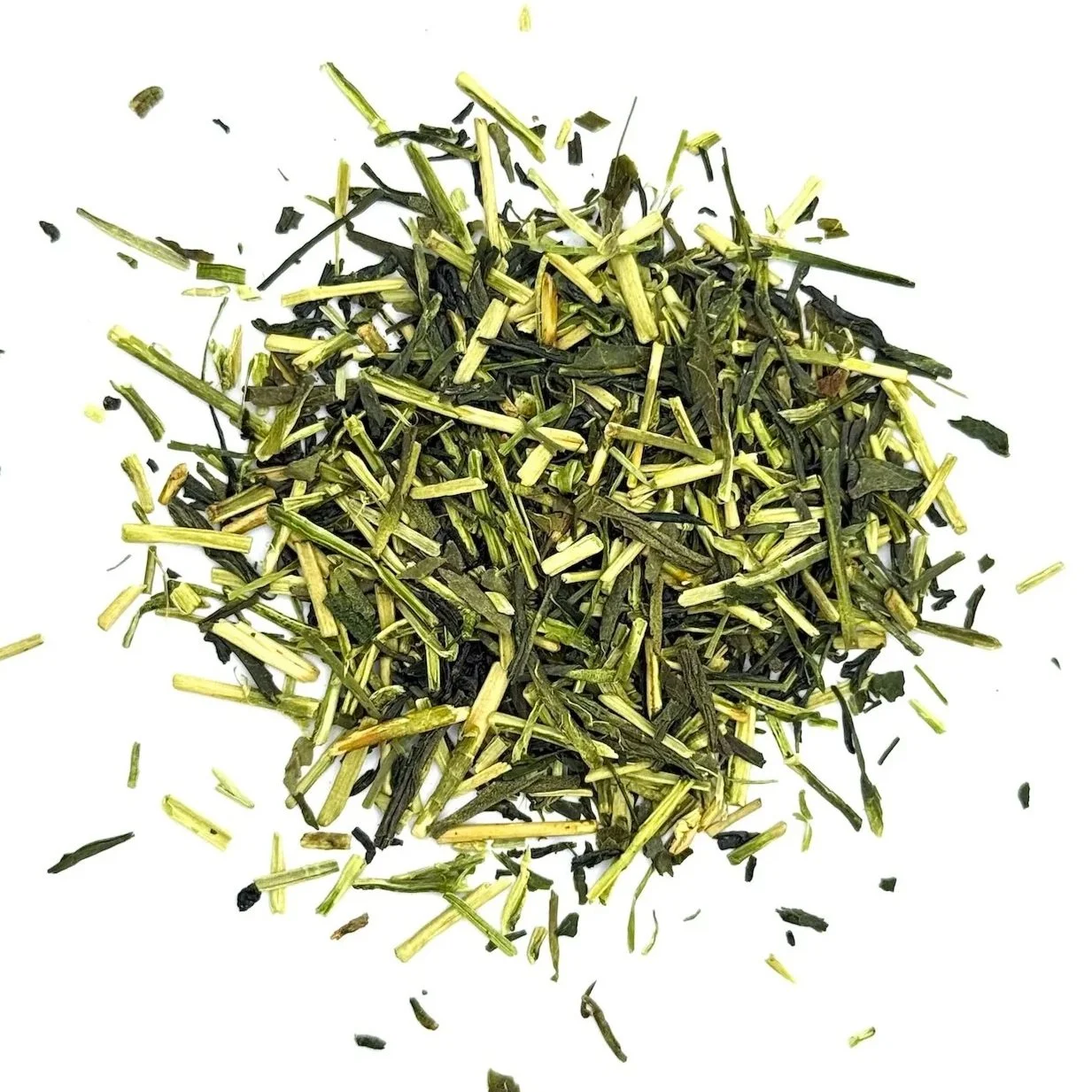
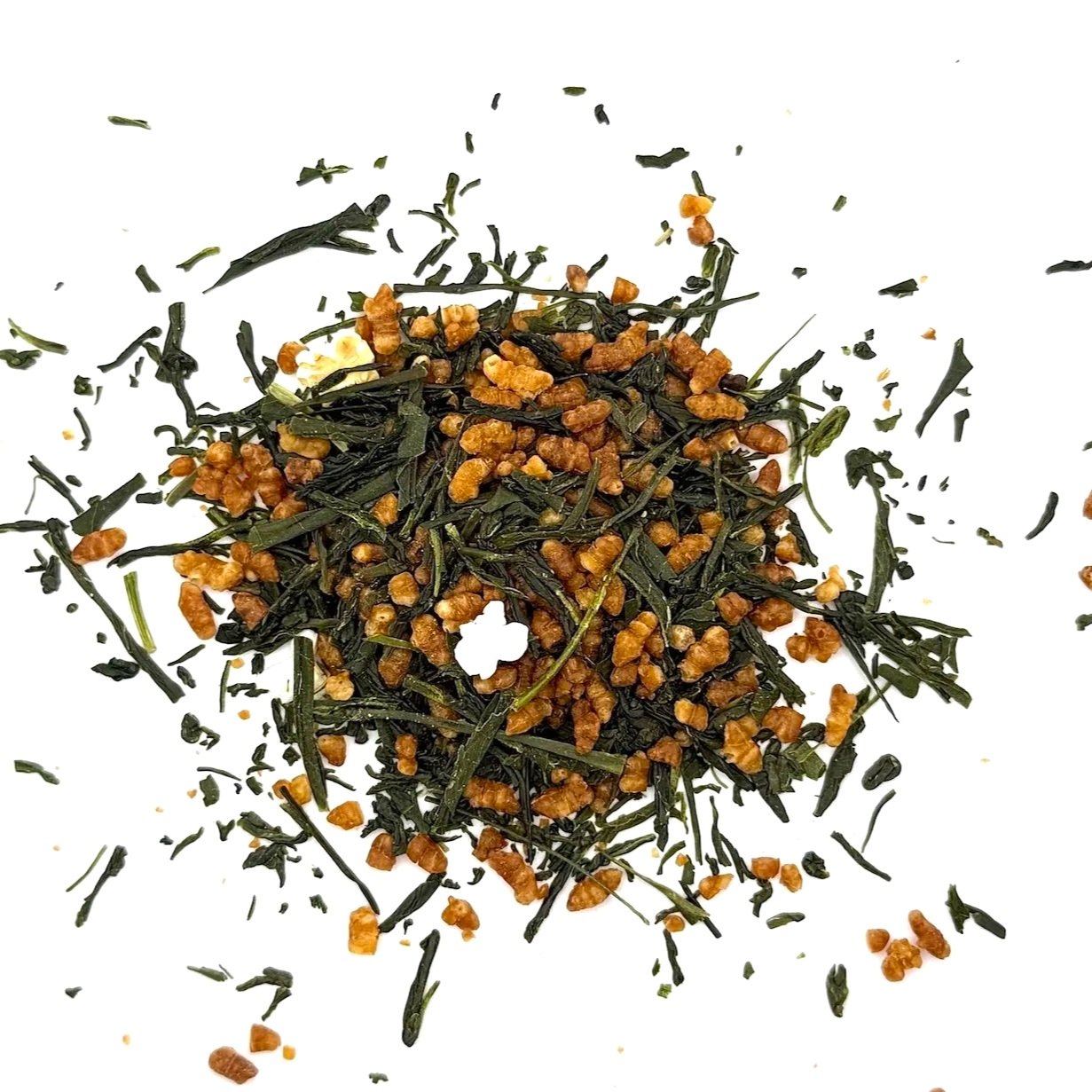
Genmaicha is a popular Japanese green tea for everyday drinking. If you've ever eaten at a Japanese restaurant and ordered green tea, you've likely been given genmaicha. The roasted rice adds a savory element to an otherwise grassy tea, and the blend is much less sensitive to brewing time and temperature compared to sencha on its own. It pairs well with a wide range of dishes, especially Japanese cuisine.